The government of Zambia has announced plans to legalise the exports of Cannabis for both economic and medicinal purposes. Lawmakers hope that the move will provide a boost to the country’s economy.
A spokesperson for the government, Dora Siliya, confirmed on Monday that “the cabinet … gave its approval, in principle … for the cultivation, processing, and exportation of Cannabis for economic and medicinal purposes”. However, it remains unclear whether there are plans to implement legalisation of medical Cannabis within the country itself.
Zambia will become one of the first nations in Africa to implement any kind of legal Cannabis cultivation framework. However, the plans remain in the early stages. Ms. Siliya also revealed that a committee of Ministers will be working to produce guidelines for the sector. The Ministry of Health has been appointed to control the issuance of cultivation, processing, and export licenses.
The cultivation of Cannabis was technically made legal in Zambia under the ‘Narcotic Drugs and Psychotropic Substances Act Cap 96’. However, cultivation was only permitted with a license from the Health Minister – none of which have previously been granted.
Currently, South Africa is the only African country to have officially legalised the medical use of Cannabis. South Africa and the Kingdom of Lesotho are the only African nations to have legalised Cannabis for export.
Despite the illegality of Cannabis across the majority of the African continent, the plant is still widely cultivated. Prohibition Partners’ ‘African Cannabis Report‘ puts this down to declining demand for tobacco crops, and high unemployment rates.
Africa is estimated to produce around 38,000 tonnes of Cannabis every year.
The President of the government Green Party Opposition has been campaigning for policy change on Cannabis since 2013. Peter Sinkamba has reportedly claimed that a legalised export market could earn Zambia up to $36 billion a year.
Sinkimba told Reuters on Monday that Zambia Cannabis exports could:
“Depending on how properly this is done, this could just change the face of Zambia’s economy,. This could be a blessing or a curse, like diamonds and gold, depending on the policy direction.”
Autism is such a tricky condition to treat, and these days conventional medicine still has not come up with one standard treatment.
There are many kinds and even a combination of treatments recommended for autism: some of these include behavioral management therapy, cognitive behavior therapy, joint attention therapy, physical therapy, speech-language therapy, and many more.
But by adding cannabidiol (CBD) to a treatment plan, patients have been able to enjoy tremendous benefits from the symptoms of this condition.
The latest study out of Brazil found that twice-daily use of cannabis-based CBD has resulted in significant improvements among adolescents with autism-spectrum disorder. The study, whose results were shared in the medical journal, Frontiers in Neurology, involved Brazilian researchers analyzing the impact of CBD-rich extracts containing 75:1 CBD:THC ratios among 15 patients.
The study took 6 months, and the participants’ ages ranged from 6-17 years. They also consumed between 50-100mg of CBD orally each day.
“Fourteen out of these 15 patients (93%) showed improvements equal to or above 30 percent in at least one symptom category. Most patients that adhered to the treatment had improvements in more than one symptom category: seven patients (47%) had improvements equal to or above 30 percent in four or more symptom categories; two patients (13%) presented improvements equal to or above 30 percent in two symptom categories, and five patients (33 percent) presented improvements equal to or above 30 percent in one symptom category,” report the authors.
The study concludes: “The findings presented here, taken together… indicate that CBD-enriched CE [cannabis extracts] yields positive effects in multiple autistic symptoms, without causing the typical side effects found in medicated ASD patients. Most patients in this study had improved symptoms even after supervised weaning of other neuropsychiatric drugs.”
Solid Scientific Proof
Earlier this year, another study from Israel this time, revealed similar findings. These are just among the latest of a growing body of evidence clearly proving how safe and effective CBD is for treating autism in both children and adults alike.
Israeli researchers administered plant-derived CBD extracts to 53 autism patients with a median age of 11 for at least one month. The extracts contained a 1:20 CBD:THC ratio, and the patients never used cannabinoid treatments before the study began.
They found that 75% of the patients reported “overall improvement” in their symptoms, particularly when it came to sleep, anxiety, and self-injury. “Children with ASD commonly have comorbid symptoms such as aggression, hyperactivity and anxiety. There is an increase in the use of cannabidiol in children with ASD. Based on parents’ reports, our findings suggest that cannabidiol may be effective in improving ASD comorbid symptoms,” conclude the researchers.
Another study from Israel, whose findings were released January 2019, revealed that cannabis-based CBD extracts are well-tolerated in patients with autism. The researchers analyzed both the safety and efficacy of the extracts which contained 1.5% THC and 30% CBD among 188 patients with autism.
The patients who continued the treatment for 6 months and gave feedback to the researchers revealed that 90% of them found improvements in various ASD symptoms including seizures, rage attacks, and restlessness. Meanwhile, around a third of the participants were able to reduce intake of pharmaceutical medications.
“Cannabis as a treatment for autism spectrum disorders patients appear to be well-tolerated, safe, and seemingly effective option to relieve symptoms, mainly: seizures, tics, depression, restlessness and rage attacks… We believe that double blind placebo-controlled trials are crucial for a better understanding of the cannabis effect on ASD patients.”
Safety Is Crucial
Considering that CBD has no major side effects on patients, this is particularly important when you factor in the extreme side effects of pharmaceutical medications. Doctors and clinicians are increasingly recommending drugs that can cause a wide array of unwanted side effects, such as weight gain.
And we aren’t talking about a few pounds. Most kids on autism medications are constantly hungry, even if it does help curb their ASD symptoms. In addition, kids with autism are more vulnerable to the side effects compared to adults. Aside from weight gain, other side effects of pharmaceutical autism medications include extreme irritability and anger, and causing issues when confronted by other people such as at school. This serious form of moodiness can have a severe impact that can haunt families for years to come, whereas CBD does not result in these same issues.
This strain is as mystical as it sounds. Be prepared to fall into lasting relaxation. Misty Kush is great for winding down and taking a break from the hustle and bustle of everyday life. Many users suggest this strain is also great for a variety of common problems, including sleeplessness and muscle pain.
What Is Misty Kush?
Misty Kush originates in Amsterdam. Though it’s prevalent in Europe, users stateside have only recently begun to take notice of this intriguing strain. Misty Kush weed is an indica-dominant breed that has a potent THC level. Due to its THC level, sufferers of sleep disorders and conditions that cause pain and discomfort often utilize it.
As a unique cross between Northern Lights, White Widow, and the indica strain Shiva, it is an excellent option for relaxation and stress relief. Misty Kush’s parentage is nothing short of spectacular. Northern Lights is a strain known for its spicy temperament and cool, citrusy exhale. White Widow strikes users with its sativa-dominant profile and its energizing effects. Shiva is pungent, indica-dominant, and not one to be forgotten. Misty Kush displays all the most prominent attributes of its parentage.
Although it is popular among many users, one of its drawbacks includes a powerful (and for some, unpleasant) aroma. The aroma has been compared to the likes of rotten fruit or even old, smelly socks. While this may not sound appealing, other users have cited its sweet undertones of lemon and its smooth and mellow buzz that’s both cerebral and heady without being overbearing.
Misty Kush leans toward the indica side with a 40% sativa and 60% indica split. Its heady buzz is long-lasting and calming.
Aroma
The Misty Kush marijuana strain has a smell that either a user loves or… does not. There may be little middle ground here as its aroma gives a full blast of lemony goodness, along with something sweet and cloying, bringing to mind a candy-like feel.
It also has hints of deep earthy richness along with a pungent skunk scent. Its aroma is something many try hard to describe. Some say it smells like food that’s gone rotten, and includes a fragrance that is unpleasantly thick and viscous and fills the nose.
Others have described the strain as having a tropical scent, with hints of exotic mango or papaya. However, it does have a slightly tangy sourness that some feel balances out its incredibly sweet smell.
Flavor
Misty Kush has an intense flavor profile. It has complicated sweet and savory elements and mixtures. It hits the palate with an incredible dose of lemon. The lemon is a bit sour but is quickly followed by a sweetness that is reminiscent of something found in the tropics.
The first inhale conjures up lazy days spent beachside on some deserted tropical isle. However, it has a punch of something piquant. It hits the back of the throat like pepper and shocks the senses into overdrive. Hints of earthiness and a taste of skunky herb blend seamlessly to create a nuanced backdrop.
Appearance
Misty Kush is often seen covered in an abundance of sugary, icy, crystal-like trichomes. The trichomes possibly contribute to its name as it has a whitish, nearly misty appearance. It grows short and stocky but with big, oval leaves that span its length. It has delicate, large buds and compact, dense nugs that are sparked by tiny bits of orange pistils and areas of verdant, deep green.
Misty Kush Grow Info
Misty Kush seeds create gorgeous buds in little to no time. Its growing season lasts for only eight to nine weeks. The seeds are feminized and can be bred with a variety of different strains. Misty Kush’s diminutive size makes it a fan favorite. It takes up very little room and boasts big, high yields.
It can be grown both indoors and outside. However, users growing Misty Kush indoors may come to find that a hydroponics system may increase its already abundant load. Misty Kush flourishes in environments that are warm, dry, and nearly identical to those found in the Mediterranean.
It responds well to methods such as SOG and SCROG, where heavy yields can be encouraged and collected. These techniques also may allow for smaller space for the plant and increase the efficiency of growing area. Misty Kush is often chosen as the strain for up and coming newbies to cultivate.
Despite its complicated appearance, this strain is often easy-going in terms of growth. It can be cultivated successfully using a combination of growth plans. It is also resistant to mold, mildew, and other pathogens. Due to its robust smell, those looking for inconspicuous growth may find it challenging to grow indoors.
If grown outdoors, growers may expect the best results following a flowering season in early to late summer with harvesting around the middle or end of October.
THC Content-Highest Test
Misty Kush cannabis has a strong THC content. Most tests have it listed at 15% on average, with higher estimates reaching up to 20%.
CBD Content-Highest Test
It typically contains very little CBD. Levels of CBD tend to lean toward the negligible, with between 1%-5%.
Medical Benefits of Misty Kush
Misty Kush isn’t just a strain to alleviate stress. It is very versatile, and users swear by its effects. Many sufferers of conditions such as chronic headaches and painful muscle aches and spasms cite its analgesic qualities.
It also supports anti-inflammatory action in the body and may be able to help those suffering from other aches in the body, including lower back pain.
Misty Kush has been used to address the symptoms of increased eye pressure following glaucoma, as well as encouraging healthy sleep patterns and relaxation.
As a social strain, users state that it helps to decrease social anxiety. With this in mind, it is an excellent strain to have with friends for a relaxing evening. It may also increase appetite and melt away daily worries while soothing nausea.
Possible Side Effects of Misty Kush
Despite its benefits, there are some side effects of this strain. Its high THC content makes some users susceptible to dizziness, dry mouth, and in some cases, induce feelings of paranoia. Many that are sensitive to THC may also feel headaches or itchy eyes.
Final Thoughts on the Misty Kush Marijuana Strain Misty Kush is an excellent strain for newcomers. It is easy to grow, and its stocky stature makes it a good option for those that have limited space and want to grow indoors. The strain proves to be adaptable and can flourish equally well outdoors.
It thrives in climates that mimic Mediterranean temperatures and is highly resistant to many forms of mold and mildew. It has a tolerance for some diseases that can threaten growth, boasts high yields, and can be harvested in about 8-9 weeks. However, some users may not enjoy the pungent aroma and distinct blend of flavors.
While it contains notes of lemon and citrus, it also has a spicy contrast. The fruity notes meld with a skunky earthiness that some users may find unsettling. However, in spite of its vibrant flavor background, many vouch for its efficacy. Users cite its effectiveness in mitigating issues such as sleeplessness, appetite loss, and headache pain.
In short, this strain can be ideal for anyone looking for fast growth, high yield, and maximum space efficiency. It also is great for a number of physical symptoms and stress relief. Giving this strain a try should be on every user’s to-do list.
. It is a very potent medical strain and has many effects such as relief of pain and anxiety, and can help to bring about feelings of happiness and wellbeing. It is a super popular strain, and a staple strain amongst the medicinal community.
Having developed into one of the most legendary West Coast strains of the century, Blue Dream marijuana is more or less a common household name these days among both patients and cannabis-lovers alike.
Ideal for those just dipping their feet into the world of medical cannabis, and also for those who are considered “cannaisseurs,” the effects of Blue Dream are not only pleasant but also diverse and capable of appealing to a wide variety of recreational users, potheads, and patients alike.
Named after the fruity and sweet aroma that is mind-blowingly reminiscent of biting into a batch of freshly-picked blueberries, Blue Dream is as potent as it is pleasant with its far-reaching effects ranging from euphoric and relaxed to energized and motivated.
The overall versatility and wide-range of ailments and symptoms that Blue Dream is tailored to has caused this medical and recreational marijuana strain to be take the world of weed by storm.
So much so that these days you can find amazing quality Blue Dream on the top-shelf of almost any reputable dispensary or pot shop in the United States. Often nicknamed the “medicine cabinet essential”, Blue Dream is seen as a staple in the world of contemporary weed. In fact, all types of marijuana consumers should have a snap of this ganja easily accessible at home.
With a 60% sativa and 40% indica genetic makeup, the Blue Dream strain is, of course, classified as a hybrid. Although Blue Dream expresses a higher percentage of sativa phenotypes, on occasion it is possible to obtain a phenotype that is more characteristic of an indica strain.
Overall this situation is fairly uncommon, though, and more often than not you will be receiving an uplifting and energizing sativa dominant batch of herb when purchasing Blue Dream cannabis. In fact, Blue Dream’s existence arises from the cross-breeding of two delicious and fragrant strains: Blueberry and Haze (the former being classified as an indica and the latter a sativa).
Most agree that the origins of Blue Dream marijuana trace back to California, where the bud’s blueberry sweetness seems all too reminiscent and befitting of the sunny and golden state. It will leave you California Dreaming and wanting plenty more after those first couple of tokes.
Recent tests that have been conducted on various specimens of Blue Dream have shown a pretty erratic THC content, with levels testing in anywhere from 17-25%. While these numbers are pretty “up there,” most would probably agree that Blue Dream doesn’t quite pack as powerful a punch as strains like Gorilla Glue #4, which is just a downright monster.
Still, the bud does not disappoint as it presents plenty of medicinal THC to share with the cannabis community. Its CBD levels are low – around the 0.1-0.2% mark – so the majority of medical benefits will be achieved through the bountiful THC levels.
1998 – GW Pharmaceuticals was formed. During this period they were granted a schedule 1 license from the Home office and MHRA to cultivate, process and supply cannabis based medicines.
2016 – Theresa May wins the general election May’s husband’s company Capital group owns a 40% share in the world’s largest producer of cannabis, GW Pharmaceuticals.
2017 – Victoria Atkins Becomes Parliamentary Under Secretary – despite almost no government experience Atkins’ husband is a senior Director of British Sugar – The company that produces cannabis within 45 acres of glasshouses in Norfolk. This is used by GW Pharmaceuticals in their Sativex and Epidyolex products.
2018 – Atkins Is Promoted To Home Office Minister.
June 2018 – The Home Office seize cannabis medication from a child at the airport, and then return it after the press are alerted to the story.
16 June 2018 – The Home Office starts to make exceptions for children who need cannabis oil to treat epilepsy.
19th June 2018 – Hannah Deacon clinicians and importers recieve a schedule 1 license to import and prescribe cannabis for Epileptic son Alfie.
June 2018 – Expert Panel setup – The panel, will assess individual applications for the prescription of cannabis-based products based upon set criteria to ensure the treatment is safe. These applications must be made by senior clinicians who are on the General Medical Council’s register with an active licence to practice. Danielle Davis (Sophia) and Charlotte Caldwell (Billy) were granted licenses. (There were others, but by the time they received decision, law had changed)
25 June 2018 – GW Pharmaceuticals announces the FDA has approved cannabis medication it has made, to treat childhood epilepsy The cannabis medication is now being reviewed by a European body, whilst the government considers making cannabis medication legal in the UK.
Oct 2018 Tannine Montgomery Anthony Clarry issued license for epileptic daughter Indie.
Nov 1st 2018 – The law is changed and Cannabis is changed from schedule 1 down to schedule 2 to allow research and clinicians on the specialist register to prescribe on the NHS. Expert panel disbanded, Hannah Deacon (Alfie) and Danielle Davis (Sophia) given NHS prescription shortly after.
Early 2019 – GW Pharmaceuticals finds out if their cannabis medication has been approved by the European Medicines Agency (EMA)
March 2019 – Parents of End Our Pain meet with MPs, Lords and Ladies. Hand in a petition of nearly 750,000 signatures to number 10 and met face to face with Matt Hancock, Health Secretary to discuss why no NHS prescriptions granted since law change.
April 2019 – Emma Appleby medication for epileptic daughter Teagan seized at Southend Airport.
May 2019 – Private prescriptions for Bedrolite and Bedica begin to be prescribed.
July 2019 – Emma Appleby travels to Holland with Labour MP Tonia Anatonnzi, medication is yet again seized on return at Stansted Airport.
July 2019 – Matt Hancock Health Secretary receives results from the NHS Review board who advise children who are currently using cannabis be put into an observational trial and advise more research.
Aug 2019 – Ant Clarry medication for epileptic daughter seized at Stansted Airport.
Aug 2019 – Draft NICE guidelines released on use of cannabis advising no evidence cannabis is effective for pain or epilepsy.
Aug 2019 – GW Pharmaceuticals release profits of Epidyolex, their CBD medicine to treat Epilepsy which had increased in the 2nd quarter to $68.4m from $33.5m.
Sep 2019 – EOP families meet with Director of the Centre of Guidelines at NICE, Dr Paul Chrisp, giving evidence that cannabis helped their children.
Nov 2019 – NICE final guidelines released, stating Epidyolex be prescribed for epilepsy. GW Pharmaceuticals and NICE reached a confidential deal to reduce costs to the NHS. That cost is due to be released in Jan 2020. Guidelines still state there is no evidence in treating pain. Access to full extract cannabis oil containing THC to treat epilepsy is not advised.
Nov 2019 – Pro David Nutt of Drug Science launches the first UK and Europes largest observational trial ‘Twenty21’ into adults using cannabis to treat their symptoms.
Dec 2019 – High Court judge in the case of Billy Caldwell urges Home Office and Dept of Health clarify access to prescription cannabis.
Dec 2019 – STILL ONLY TWO NHS PRESCRIPTIONS FOR FULL EXTRACT CANNABIS OIL. “
Instead of opting for chemotherapy and radiation in an attempt to shrink an inoperable brain tumor, the father of an eight-month-old baby pushed for alternative treatment with cannabis oil. The baby’s physician, Dr. William Courtney, was initially skeptical early in his career about cannabis as medicine but has since seen such impressive results that he’s now a staunch advocate for its use.
“They were putting cannabinoid oil on the baby’s pacifier twice a day, increasing the dose… And within two months there was a dramatic reduction, enough that the pediatric oncologist allowed them to go ahead with not pursuing traditional therapy,” said Dr. Courtney in an interview with The Huffington Post.
At four months, the tumor was completely gone. And after eight months of treatment, the brain tissue was considered completely normal.
Dr. Courtney notes that the successful application of cannabis to heal means that “this child, because of that, is not going to have the long-term side effects that would come from a very high dose of chemotherapy or radiation… currently the child’s being called a miracle baby, and I would have to agree that this is the perfect response that we should be insisting is frontline therapy for all children before they launch off on all medications that have horrific long term side effects.”
A healing phenomenon
Cannabis has a wide range of reported therapeutic uses — from cancer to asthma, as well as from neurodegenerative diseases to autoimmune disorders. Several U.S. states have recognized the beneficial healing aspects of cannabis and have therefore made it available for medicinal purposes. On the other hand, two states, Washington and Colorado, have taken this a step further and legalized cannabis for recreational use.
Numerous studies support the incredible healing capacity of cannabis, especially regarding cancer. The National Cancer Institute alone has documented 25 studies on the exceptional power that cannabis possesses to halt the progression of cancer. In animal tests, two forms of liver cancer — hepatic adenoma tumors and hepatocellular carcinoma — decreased when cannabis was given. Benign tumors in other organs, such as the pancreas, testes, uterus and mammary and pituitary glands, were diminished as well. Several reviews also found that cannabinoids appear to encourage cancer cell death (apoptosis), while preserving normal cells. Moreover, cannabis induces programmed cell death in breast cancer cell lines and offers protection against both colorectal and lung cancer.
The list of benefits could seemingly go on forever. To learn more about the wonder of cannabis, have a look the below comprehensive documentary by leading researchers and physicians in the field.
Considering that up until about 85 years ago, cannabis oil was used around the world to treat a variety of diseases, including cancer, it is not surprising that the phasing out of cannabis to treat illness coincided with the rise of pharmaceutical companies.
Rick Simpson, a medical marijuana activist, is on a crusade to help others heal. He regards cannabis as the most medicinally active plant on the face of the earth, and shared this apparent miracle with others — completely free of charge. He now has thousands of testimonials from those who were healed from ‘incurable’ disease to back up his claims ~ that cannabis annihilates cancer.
For the naysayers out there who are still not convinced about the effectiveness of cannabis for curing cancer, the astounding healing attributes of the plant are well documented by a wealth of peer-reviewed studies.
Traditional medicinal plant backed by modern medicine
Breast cancer
A study in Molecular Cancer Therapeutics explored the relationship between the use of cannabidiol (CBD) and the subsequent down regulation of breast cancer tumor aggressiveness. The researchers concluded that CBD represents the first nontoxic agent to decrease the aggressiveness of metastic breast cancer cells in vivo.
Furthermore, the journal PLoS One reports further evidence of how cannabinoids modulate breast cancer tumor growth and metastasis by inhibiting specific receptors.
“Studies on epithelial cells have shown that cannabinoids exert antiproliferative, antimetastatic and apoptotic effects as well as reducing cytokine release and promoting wound healing. In vivo, cannabinoids – via direct or indirect activation of CB(1) and/or CB(2) receptors – exert protective effects in well-established models of intestinal inflammation and colon cancer.”
The team concluded that the administration of cannabinoids “may be a promising strategy to counteract intestinal inflammation and colon cancer.”
Cannabis was shown to induce cytotoxicity in leukemia cell lines, according the the journal Blood:
“We have shown that THC is a potent inducer of apoptosis, even at 1 x IC(50) (inhibitory concentration 50%) concentrations and as early as 6 hours after exposure to the drug. These effects were seen in leukemic cell lines (CEM, HEL-92, and HL60) as well as in peripheral blood mononuclear cells.”
It also did not appear that the cannabis was simply aiding other chemo drugs — it was independently bringing about results with the active compound THC responsible for cancer cell death in vitro.
Likewise, a study in the Molecular Pharmacology Journal found that non psychoactive cannabidiol dramatically induced apoptosis (cell death) in leukemia cells. “Together, the results from this study reveal that cannabidiol, acting through CB2 and regulation of Nox4 and p22(phox) expression, may be a novel and highly selective treatment for leukemia.”
Research published in the paper Prostaglandins, Leukotrienes and Essential Fatty Acids found that cannabinoid compounds play a vital role in modulating the immune system to improve the outcome of a cancer diagnosis. In short, the team believes “[t]he experimental evidence reviewed in this article argues in favor of the therapeutic potential of these compounds in immune disorders and cancer.”
Moreover, the study Cannabinoids and the immune system confirms that cannabimimetic agents have substantial effects on natural killer cells, thereby providing therapeutic usefulness in reducing tumor growth and the induction of apoptosis. Therefore, cannabis demonstrates a “subtle but significant role in the regulation of immunity and that this role can eventually be exploited in the management of human disease.”
Cervical cancer
Uterine cervical cancer cells are significantly influenced by cannabis as well. Published in Gynecologic Oncology, the research team discovered that the compound induced apoptosis in cervical carcinoma (CxCa) cell lines.
Melanoma
The most deadly form of skin cancer, melanoma has relatively few options of treatment beyond prevention and early detection. With this in mind, the findings of the study Cannabinoid receptors as novel targets for the treatment of melanoma are of particular note. In animal tests, cannabinoids encouraged cancer cell death, while decreasing growth, proliferation and metastasis of melanoma cells.
“Local administration of [cannabinoids] induced a considerable growth inhibition of malignant tumors generated by inoculation of epidermal tumor cells into nude mice. Cannabinoid-treated tumors showed an increased number of apoptotic cells. This was accompanied by impairment of tumor vascularization, as determined by altered blood vessel morphology and decreased expression of proangiogenic factors (VEGF, placental growth factor, and angiopoietin 2). … These results support a new therapeutic approach for the treatment of skin tumors.”
These are just a few examples — among hundreds — that demonstrate the effectiveness of cannabis in eradicating cancer without adverse side-effects. Additionally, the following documentary explores the history and modern uses of cannabis to heal serious diseases such as cancer, AIDS, Crohn’s disease & more:
Scientific Studies from the National Institute of Health
If you’re still in doubt regarding the effectiveness of cannabis for healing cancer, have a look at these 100+ scientific studies from the National Institute of Health:
I’m Carolanne — a writer, chef, traveler and enthusiastic advocate for sustainability, organics and joyful living. It’s good to have you here. If you would like to learn more, connect with me at Thrive-Living.net or visit Twitter.com/Thrive_Living.
If cannabis were discovered in the Amazon rainforest today, people would be clambering to make as much use as they could of all of the potential benefits of the plant. Unfortunately, it carries with it a long history of being a persecuted plant.” ~ Dr. Donald Abrams, Chief of Hematology Oncology at San Francisco General Hospital
Approximately 106,000 Americans die yearly from prescribed medications, according to the American Medical Association. Even more frightening, preventable medical errors account for a staggering 400,000 deaths in the U.S. each year — and is considered the 3rd leading cause of death. “It’s equivalent to 2,000 commercial jets taking off each year knowing that they don’t have enough fuel to complete their journeys,” notes Peter Edelstein M.D. “Would you allow your spouse to board one of those planes? Your friend? A stranger?”
Blockchain on the IBM Cloud helps reduce food waste by tracking food from farm to fork
Good question. Increasingly, people in the West are seeking out treatments that work harmoniously with the body, instead of against it — in other words, they’re walking away from the medical establishment and all its mishaps, mistakes and pharmaceutical drugs. A case in point is cannabis, especially in its raw form.
A Rich History
Marijuana is one of those plants that, to many, conjures visions of Drug Enforcement Administration (DEA) raids and hippies in a drugged-out daze. But it wasn’t always this way.
“The ancient Chinese knew of marijuana’s pain-relieving and mind-altering effects, yet it was not widely employed for its psychoactive properties; instead it was cultivated as hemp for the manufacture of rope and fabric. Likewise, the ancient Greeks and Romans used hemp to make rope and sails. In some other places, however, marijuana’s intoxicating properties became important. In India, for example, the plant was incorporated into religious rituals. During the Middle Ages, its use was common in Arab lands; in 15th-century Iraq it was used to treat epilepsy; in Egypt it was primarily consumed as an inebriant. After Napoleon’s occupation of Egypt, Europeans began using the drug as an intoxicant. During the slave trade, it was transported from Africa to Mexico, the Caribbean and South America. Marijuana gained a following in the U.S. only relatively recently. During the second half of the 19th century and the beginning of the 20th, cannabis was freely available without a prescription for a wide range of ailments, including migraine and ulcers,” Roger A. Nicoll and Bradley N. Alger remind us in Scientific American.
Even American Founding Father Thomas Jefferson declared: “Hemp is of first necessity to the wealth and protection of the country.”
So what happened?
In 1937, the United States Congress decided — against the recommendation of the American Medical Association — to pass the Marijuana Tax Act. The legislation essentially banned the use of marijuana by making it excessively expensive and difficult to secure. It has been downhill ever since. That is, until the last few years where legalization of marijuana has exploded in the U.S., for both recreational and medicinal uses. For our purposes here, we’re going to look at the health benefits of the plant — which are quite impressive.
An Essential Vegetable
“It [cannabis] has captured these molecules that help our bodies regulatory system be more effective. The bottom line is it’s a dietary essential that helps all 210 cell types function more effectively. I don’t even refer to it as medicine anymore, strictly as a dietary essential.” ~ Dr. William L. Courtney
It may be a stretch for some to recognize raw cannabis as the next in-demand superfood, but Dr. Courtney, a physician with extensive medical training who specializes in the dietary uses of cannabis, presents a provocative case.
When you heat or age cannabis, Dr. Courtney believes that you lose 99% of the benefit cannabis provides. In contrast, if you consume it raw, you’ll reap the full value of the plant. Plus, raw cannabis is non-psychoactive, so you won’t experience a high — an important point for those who would like to utilize the healing aspects of cannabis without feeling drugged or off-center. This means you can also consume a much higher amount of health-promoting compounds with raw cannabis juice compared to if it was smoked or extracted as an oil, according to Dr. Courtney.
Terpenes, essential oils found in cannabis which give the plant its unique aroma, are particularly compelling. A study published in the British Journal of Pharmacology states that terpenoids are “pharmacologically versatile: they are lipophilic, interact with cell membranes, neuronal and muscle ion channels, neurotransmitter receptors, G-protein coupled (odorant) receptors, second messenger systems and enzymes.”
The researchers explored the powerful effect terpenes exert in animal tests. Limonene was found to increase serotonin in the prefrontal cortex and dopamine in the hippocampus region of the brain — both of which help fend-off depression and feelings of stress. Moreover, limonene induces apoptosis (cell death) of breast cancer cells and demonstrated exceptional radical scavenging properties. It’s also remarkably bioavailable, rapidly metabolized and is highly non-toxic and non-sensitizing.
Myrcene is anti-inflammatory and an effective sleep aid, while pinene acts as a bronchodilator and broad spectrum antibiotic — including the destruction of lethal MRSA bacteria. Pinene also curbs inflammation. Linalool is a sedative and anticonvulsant. Caryophyllene is antimalarial, anti-inflammatory and useful in treating duodenal ulcers. Nerolidol inhibits fungal growth and protozoal parasites. Phytol increases GABA expression, resulting in a calming effect. These are just a handful of the 200 varieties of terpenes found in cannabis.
How to Enjoy More Raw Cannabis in Your Life
For a daily dose, Dr. Courtney advises juicing fifteen cannabis leaves and two buds, which is then added to a small amount of fruit or vegetable juice that is consumed throughout the day. If you would like to learn more about juicing cannabis, this article article offers tips and suggestions. Keep in mind that juicing improperly may create heat, which will cause THC to form. Jeffrey C. Raber, Ph.D. also recommends having the strain of marijuana you’re using tested at a reliable and accurate lab so you know exactly what you are getting.
If you knew that only 6% of your CBD gummies would enter your bloodstream to do their job, would you still purchase them? Amid the current frenzy surrounding cannabis and its therapeutic benefits, it’s easy to gloss over the bioavailability of cannabis products.
Bioavailability refers to the degree and rate at which a substance is absorbed into your bloodstream to be used where needed. Physiological processes and consumption methods can affect cannabis absorption, rendering its effects somewhat hit-and-miss.
The surge in cannabis popularity can be partly attributed to the range of consumption methods available. Edibles and tinctures can have less of the stigma traditionally associated with joints. However, when cannabinoids such as CBD and THC are ingested in oil form—oil is also used to make edibles—their bioavailability becomes compromised.
CBD and THC oils resist absorption into the bloodstream because the human body is up to 60% water. Basic science—and salad dressing—dictates that oil and water do not mix, and the same is true for cannabis oil and the human body.
“Cannabinoids are fat-loving molecules and have to traverse a cellular environment that is aqueous or watery,” explains Dr. Patricia Frye, a member of the Society of Cannabis Clinicians and chief medical officer at Hello MD. When cannabis is consumed as an oil, the onset of effects can become delayed and bioavailability limited.RelatedA physician’s perspective on optimal cannabis dosing
Another phenomenon that limits oil-based cannabis extracts from reaching the bloodstream is the first-pass effect. When cannabis is ingested orally, it is absorbed in the gastrointestinal tract and transported via the portal vein to the liver, where it is metabolized. As a result of this process, only a limited quantity reaches the circulatory system. Since cannabis oil is often taken orally, its efficacy can be hindered.
Are some cannabinoids more bioavailable than others?
There has been some investigation into CBD, THC, and less into cannabinol, or CBN. Studies have shown that the bioavailability of cannabinoids depends on the method of delivery.
THC, however, is more bioavailable than CBD when administered orally or delivered via the lungs. A clinical study found that concentrations of THC in the bloodstream appeared 30-50% higher than CBD following oral delivery as a sublingual spray.
However, the bioavailability of THC is still limited when consumed orally, averaging only 4-12%. When smoked or vaped, the bioavailability of THC leaps to an average of 30%.
Which methods of cannabis consumption optimize bioavailability?
Some of the most common and convenient cannabis products, such as capsules, soft gels, tinctures, and edibles, limit bioavailability due to the first pass through the liver. “With edibles, absorption is slow, unpredictable, and highly variable,” says Frye. “Only about 6% of the dose is absorbed. The onset of action can be as long as 6 hours; it’s very easy to take too much, and the effects can last as long as 20 hours!”
Oral administration lasts longer than smoking, eliminating the need for frequent dosing. Oral methods also avoid irritation to the airways and the risk of malignancies associated with smoking or vaping.
That said, inhaling cannabis guarantees increased bioavailability because molecules are transported by vapor particles directly to the alveoli in the lungs. This allows cannabinoids to rapidly enter the bloodstream without being metabolized by the liver.
Another lesser known method of administration is intranasal delivery, which enables cannabinoids to be easily absorbed with a rapid onset of ten minutes or less. “Intranasal methods are highly bioavailable at 34-46%,” says Frye. “It’s a particularly helpful mode of delivery for patients who are having a seizure or for patients trying to abort an impending seizure or migraine.”
Transdermal patches can be super effective at targeting localized or systemic pain. They allow for a steady infusion of active ingredients to the delivery site, so the patient is unlikely to experience spikes of THC in the bloodstream.
Finally, nano-emulsions and micro-emulsions can dramatically increase the stability and bioavailability of cannabinoids. These novel formulations use nanotechnology to offer up to 100% bioavailability. Frye cautions, however, that the research is still scarce. “We don’t know the full extent of how these manipulations affect cannabinoid activity at the cellular level,” she says.
What tips or tricks can help increase bioavailability?
One method that boosts the absorption of edibles is to combine cannabis product with fats. Frye recommends combining edibles or tinctures with healthy fats such as guacamole, hummus, or dark chocolate. If you’re feeling less virtuous, however, ice cream works as a treat. The same goes for alcohol-based tinctures.
For those who smoke or vape, bioavailability can be enhanced by minimizing sidestream loss and increasing the number of puffs. “Using a desktop or handheld vaporizer with flower will eliminate sidestream losses,” Frye advises. If you think you get more bang for your buck by holding your breath, think again. “There is no evidence supporting holding one’s breath for more than 10 secs,” says Frye.
Some final words of advice from Dr. Fyre, for those looking to optimize cannabis bioavailability: “The most cost-effective way to use cannabis is not to use more than you need. Less is more,” she says. Due to its biphasic nature, excessive dosing may exacerbate the symptoms you’re trying to alleviate.
{Emma Stone is a journalist based in New Zealand specializing in cannabis, health, and well-being. She has a Ph.D. in sociology and has worked as a researcher and lecturer}
The International Association of Cannabinoid Medicines held a three-day conference on the efficacy of the drug with calls for more activism, formal trials and patient access.
It is easy to forget as one steps inside this world-class medical conference (held this year in Berlin), that cannabis is disputed as medicine anywhere in the world.
Inside a packed conference hall in an upscale hotel in East Berlin, international researchers presented evidence that when taken as a drug, this simple plant can make a world of difference to patients suffering from a range of illnesses.
There were also doctors who talked about prescribing this as medicine (even to children), with dramatic and affirming results (if not heart-warming pictures).
In sum, as always, the IACM is the best place to find facts if not evidence galore to convince even the most hard-boiled egghead that this drug works – and across a broad range of so far “other” drug-resistant medical conditions.
As a participant in the IACM said after the opening remarks on the very first morning, it is so easy to ask the question – “Why are doctors still so afraid of if not resistant to this drug?”
Medical efficacy is no longer an unanswered question…
For those seeking affirmation and evidence, this year’s IACM did not disappoint. There were presentations on the drug’s impact on neurological, oncological and inflammatory conditions that while not all new, are increasingly impactful in an aging planet.
A full house of attendees for the patients panel
But that is not all that was discussed. The broader implications of adding cannabis into skincare, diets and medicine chests were also presented – from cannabis’ impact on lowering obesity and positively affecting acne to impacting the opioid epidemic.
Also intriguing this year was a far-reaching study on how polluted the CBD supply chain is in Europe, even for non-medical and nutraceutical products. Not to mention a socio-political plea for legalization of personal use in South Africa.
And that was just the presentations from the stage and in the poster hall.
The conversations swirling around were just as interesting. Because of course, nobody at this three-day gathering, for all the normalization on display, did forget that this gathering of doctors, scientists, cannabis companies and patients is still an anomaly.
The fact is that there are still too few doctors prescribing. And too few trials. And too many fights over efficacy still in the room.
As Alice O’Leary Randall (wife and former partner in activism with her late husband, Professor Randall who initiated the medical efficacy fight in the U.S. in 1975 over glaucoma) said to Cannabis Industry Journal, “It is hard to believe that we are still fighting the same fights all over again.”
Another “AIDS” Crisis?
There is a more dramatic sense of urgency at the IACM than other conferences that focus just on the “business.” In part, this is because the conference is made up of not only doctors and researchers who fight to prescribe the drug or get trials funded, but also patients on the front lines in a country where the drug is supposed to be covered by health insurance.
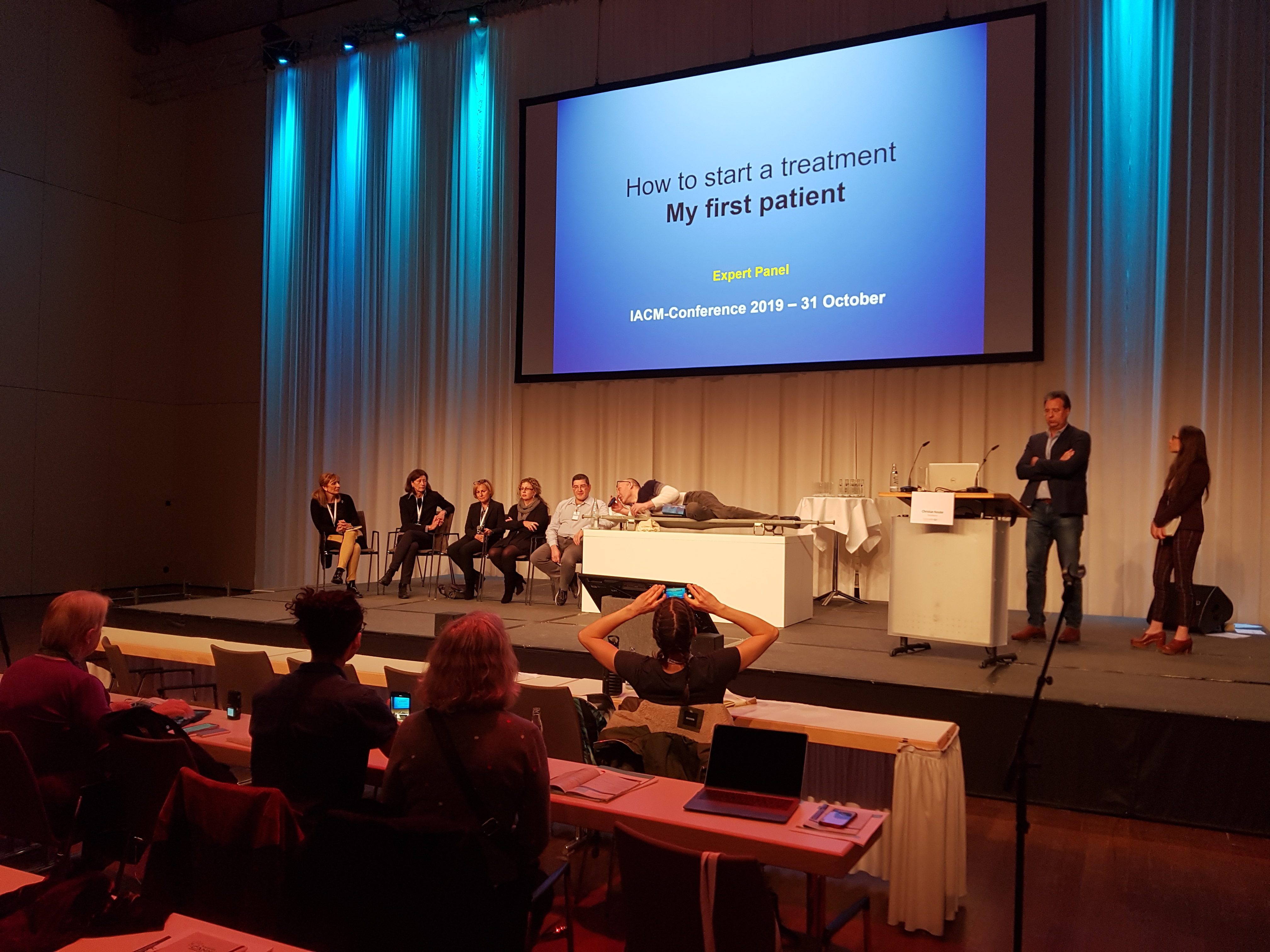
Dr. Franjo Grotenhermen (seen on the table) and others during a panel discussion
The patient panel, as a result, was an international face of accusation: To national authorities who still refuse to mandate cannabinoid care – across Europe and beyond. To medical establishments who are not demanding cannabinoid treatment be made mandatory in hospitals and emergency rooms in every country in the EU and beyond. To individual doctors who refuse to come to such conferences, where, if they wanted to, could learn how to begin prescribing the “next penicillin.” To payers and insurers who are still too slow to pick up the message if not the tab.
Indeed, one of the best panels of the conference was a gaggle of doctors, led by Grotenhermen, who discussed the particulars of approaching a new drug – for the very first patient and first time.
Act Up, Speak Out, Silence Equals Death
As the conference wrapped up with its awards dinner, there was of course, a sense of needing to go home with not wanting this to end. For those in the thick of this multi-generational fight, there of course were words of encouragement to colleagues from the industry, internationally. But there was also a new sense of needing to up the pace, if not create faster change.
The battles are far from over – in fact, they are just beginning in many places. As one questioner said of a panel about halfway through the conference – “We need to pick up the fight the same way the AIDS community did on this drug.”
That remark perhaps means less today than it did 20 to 30 years ago when an embattled LGBTQ subculture was the organized point of the spear that fought the early state legalization battles as pioneers for a cause that sought equality as much as it sought a cure.
The plea did not fall on deaf ears.
In the midst of studies, statistics and scientific evidence, in other words, there was a new sense of a need for a renewed fight – and from the medical and scientific community as well as patients.





 pcbmsw.home.blog
You must be logged in to post a comment.