CBD GUM MAY BE THE NEXT BIG TREND BUT CAN IT ACTUALLY MEDICATE?

All of the big names in the CBD consumer market are launching CBD gum products. Should patients buy in?

Brands like Endoca, Elixinol, and CBD American Shaman are all in the game now. As patients, there are a few points to note about this new CBD gum trend. Largely, the benefits of bubble gum medicine aren’t that clear.

With CBD quickly becoming the hottest trending ingredient in the health and wellness sector, it’s found its way into just about every consumer product imaginable. CBD oils and capsules are one thing, but CBD bath bombs and Cannabidiol water? The market is flooded with products that might not make the cut should the Food and Drug Administration put their claims to the test.

Does CBD chewing gum fall under this category? Can quality ingredients have therapeutic value, no matter the mode of delivery? While there is a basis for ‘bubble gum medicine’ within the scientific literature, it’s not yet totally understood how this information applies to CBD and other cannabinoids.

What is CBD Gum and Why is it (Supposedly) the Next Big Thing?

With several CBD chewing gum patents already filed with the U.S. Patent Office, CBD gum is nothing new. CBD gum differs only slightly from non-medicated chewing gums because it contains some measure of Cannabidiol. And each product will vary in CBD content, depending on the manufacturer.

According to one U.S. Patent, “The present invention relates to a chewing gum composition comprising 0.01 to 15% by weight a cannabinoid or a derivative thereof, based on the total weight of the chewing gum composition.” Other brands contain upwards of 40 to 50 percent Cannabidiol per piece. Most products available today come in a candy-coated gum format, dispensed from a blister pack, presumably to preserve freshness.

As most patients interested in Cannabidiol already prefer natural foods, many of the most popular CBD brands stick with organic ingredients. CBD gums often contain ingredients such as chicle, erythritol, xylitol, and all-natural flavors and sweeteners. Again, each brand will vary.

Why are CBD oil manufacturers focused on the potential of bubble gum medicine? While it offers consumers a discreet and innovative way to try CBD products, it also comes down to a matter of numbers. According to Statista, the global chewing gum market is expected to hit $32.63 billion in 2019. The CBD oil market will reach $813.2 million in the U.S. in the same year. The intersection of these two products has massive potential, and CBD companies are banking on it.

cbd gum strips

What Should Patients Know About Benefits of Medicated Gum?

First and foremost, patients need to know that there are no proven benefits to the CBD gum format. Theoretically, gum containing cannabinoids may release those compounds once chewed, but there is no publically available research supporting the effectiveness of this delivery method (so far).

Medicated chewing gums have been around for nearly a century, and there is some science supporting their effectiveness. This is mostly for the delivery of medications and botanicals, such as Aspirin, caffeine, aloe vera, and nicotine. But the literature has yet to replicate these results with cannabinoids.

Although chewed, CBD gum is technically not an edible. The gum delivers the benefits of Cannabidiol through a sublingual delivery system, similar to an oral spray or CBD tincture allowed to pool under the tongue. Established cannabinoid pharmaceuticals (ex: Sativex) already rely on sublingual absorption through the mucous membrane as a way to ensure fast acting delivery of the botanical compounds. Logically, any CBD released through a gum would work in a similar manner.

While there are no controlled studies on CBD gum, CanChew Bio-Technologies (a subsidiary of Medical Marijuana Inc.) announced in 2012, it had begun clinical development. Research was being conducted  in the European Union. Specifically, the company was exploring the best format for nausea related to chemotherapy, and muscular spasticity associated with Multiple-Sclerosis. To date, there have been no updates about these clinical investigations.

Can Patients Benefit From CBD Gum?

Researchers are exploring CBD for dozens of medical applications, including  anxietyinflammationpain-relief and more. These studies are still in the early phases of development, but the FDA recently approved a pharmaceutical preparation of CBD for the treatment of intractable epilepsy. Presumably, Cannabidiol gum brands are hoping to benefit from these ongoing scientific studies.

There are a few issues with Cannabidiol gum which patients should be aware of before purchase. Studies on the bioavailability of CBD contained in CBD gum are not yet available. The amount of CBD within most brands of CBD gum is minimal – technically, the size of a microdose (CanChew is the exception). Great for CBD daily dosing, but perhaps not suitable for more chronic conditions.

Finally, it isn’t clear if chewing gum releases CBD slowly, how much Cannabidiol remains trapped in the gum after chewing, and how much the patient can lose to swallowing. Taken altogether, the actual medicinal benefits of this format are very uncertain.

How to Best Use CBD Gum

Because there are still many questions about the true benefits of Cannabidiol gum, patients may want to use it as a supplement to other cannabinoid products. With typically less than 10 mg per serving, most Cannabidiol gums can only be considered a microdose.

cbd gum with cannabis leaves

Patients treating chronic conditions may likely get more benefits from other products, higher potency products like concentrates, edibles, and capsules.

Still, Cannabidiol gum does offer discretion and easy dosing. Each piece contains a predetermined measure of CBD and comes in a portable, easy to carry format. Tucked into a desk drawer or purse pocket, patients can keep their Cannabidiol daily readily available, but out of sight.

With the market potential of Cannabidiol gum and the insatiable demand by consumers for these products, a gum delivery format is likely here to stay. Where there is consumer demand, the market will inevitably fill it. However, until there is robust clinical research to back up the hype around CBD gum, patients may want to use it to supplement rather than treat.

Here’s how combining cannabis with certain mushrooms can help treat different health conditions

Cannabotech seeks funding for clinical trials into cannabis and mushroom combinations to treat cancer, inflammation, pain, and more.

According to a recent press release from a start-up out of Israel, patients could soon find combinations of cannabinoids, botanicals, and different types of medicinal mushrooms heading into clinical trials. Cannabotech is crafting novel combinations of all-natural, medicinal compounds, like cannabinoids and different types of mushrooms, to target specific health conditions. With the booming medical cannabis industry, plus the growing excitement for medicinal mushrooms, they are banking on the healing power of this unique combination of medicinal ingredients.

The Pitch: What is Cannabotech Working On?

Cannabotech is working on creating specific combinations of cannabinoids to target particular health conditions. On the fungi side of the formula, they are sticking with medicinal mushrooms and are not exploring any psychedelic varieties (yet).

On the cannabinoid side, there is an interesting perspective. According to Cannabotech founder and CEO, Elchanan Shaked, “We believe that the secret to the plant’s activity lies in cannabinoids that appear in small quantities in the plant. If you change the ratios between them and increase their concentration in the final product, very high medical effectiveness and unique compounds for treatment of various diseases can be attained.”

The team behind Cannobotech plan on tinkering with cannabinoids to improve upon the spectrum created during the natural growth cycle. While many cannabis producers are focused on extensive breeding programs for cannabinoid profiles, Cannabotech is banking on the potential of value-added products. They predict, by the year 2030, almost half the global cannabis consumer market will be made up of cannabis-based medicine.

So far, they have several unique formulas under development. These include cannabis-fungi combinations for the treatment of colon cancer, inflammatory diseasesheart disease, fatty liver disease, and unexplained infertility.

While none of their formulae have gone through clinical trials, Cannabotech is on a mission through a global crowdfunding campaign to raise enough capital to begin these well-controlled studies.

A Deep History of Medicinal Applications

Cannabtech isn’t coming out of left-field with their idea to turn many types of mushrooms into medicine. Mushrooms have been an integral aspect of human culture for thousands of years. Cultures around the world have foraged for fungi for medicinal applications, shamanic purposes, and foodstuff for millennia.

Mushrooms remain a central ingredient in traditional Chinese Medicine. There is also evidence that Greek physician Hippocrates used mushrooms as medicine in 400 BC. From all over the world, across all cultures, there is overwhelming archaeological evidence about the importance of fungi as medicine.

As the authors of the 2014 publication, “Medicinal Mushrooms: Ancient Remedies Meet Modern Science” poetically explained, “Mushrooms are nature’s miniature pharmaceutical factories, rich in a vast array of novel constituents and wide open for exploration.” Just like cannabis has at least 113 known cannabinoids, fungi contain at least 150 novel enzymes. As researchers examine more types of mushrooms, the more novel and possibly therapeutic compounds they discover.

Some Types of Mushrooms Are Ancient Medicine

Medicinal mushrooms are not just a remnant of ancient medicine, they continue to play a big part in modern medicine. According to “The Microbial Pharmacy: FDA Approved Medicines From Fungi,” millions of people every year receive pharmaceutical preparations of therapeutically beneficial mushrooms (or fungi). Many may not even realize it.

Perhaps the most famous pharmaceutical fungi to date is penicillin. In 1928, Alexander Fleming accidentally discovered the existence of this substance after finding contamination in his Petri dish. Once he was able to isolate it, this mysterious contaminate became the first true antibiotic. It became the first member of a family of fungi-based pharmaceuticals known as penicillin.

Another example comes from a common edible mushroom: shiitake. Researchers have found therapeutic value from some of the extracted compounds in shiitakes. Lentinan, for example, has demonstrated antimicrobial and immune-boosting benefits.

Turkey tail, a common wild and cultivated mushroom, is now going through clinical trials as an adjunct therapy to chemotherapy. This clinical trial will examine whether it can boost the immune system of patients undergoing chemotherapy.

types of mushrooms like this one held by a gloved handwill soon be in medicinal use

Types of Psychedelic Mushrooms in Medicine

Beyond the strictly medicinal applications of mushrooms, there are also the many healing opportunities presented by some of the psychedelic properties. The psychedelic properties of certain types of mushrooms have earned significant attention over the last few years. There has been a push for legalization, stemming from a wave of research demonstrating positive benefits for mental health.

The John Hopkins Center for the Psychedelic & Consciousness Research has published over 60 studies exploring the potential of psychedelics for the treatment of addictions, treatment-resistant depression, and existential distress from chronic disease.

Soon, they will also be looking into psilocybin (the psychoactive compound in mushrooms) for the treatment of other conditions, including: “opioid addiction, Alzheimer’s disease, post-traumatic stress disorder (PTSD), post-treatment Lyme disease syndrome (formerly known as chronic Lyme disease), anorexia nervosa and alcohol use in people with major depression.”

Although Cannobotech is sticking with non-psychedelic varieties, it’s not a far stretch of the imagination to envision combinations. Cannabinoids and psilocybin have each had success as novel anti-depressant or anti-anxiety treatments.

As the John Hopkins Research Center has discovered, psilocybin has the potential to treat these mental health issues. Researchers are also exploring certain cannabinoids for the treatment of these very same mental health concerns. Certain types of mushrooms and cannabinoids seem to have clear overlapping areas of therapeutic value. Psychedelic mushrooms are riding the wave of cannabis legalization.

types of mushrooms like this one will soon be in medicinal use

Finding Added Value in Plant (and Fungi) Based Pharmaceuticals

Given the incredible medicinal value of both mushrooms and cannabis, Cannaotech might be onto something. Instead of strictly focusing on cannabinoids or types of mushrooms, they are looking for winning combinations with synergistic therapeutic value.

Depending on result, the future of medicine may belong to cannabis and fungus-infused pharmaceuticals.

Medical Cannabis now available in Ireland three years after Gino Kenny’s bill was passed thru the dáil.

Medical Cannabis now available in Ireland three years after Gino Kenny’s bill was passed thru the dáil.

Gino has been relentlessly campaigning to make medical cannabis accessible to those who need it most.

history has been made and now after three years of hard work medical cannabis is now available in Ireland.

but what does it mean for you?

so who can access it?

starting off the medical cannabis access program will only be available to people with three specific conditions

  • Spasticity associated with multiple sclerosis
  • Intractable nausea and vomiting associated with chemotherapy
  • Severe, refractory (treatment-resistant) epilepsy.

Chronic pain hasn’t been included in the medical cannabis access program

but we hope to see it included in the near future.

two people in Ireland have gained access for chronic pain.

one via their GP and the other Via their consultant so there is hope.

Yes medical cannabis is available but you cant get access unless you explore all other possibilities first.

if you want to learn more about the medical cannabis access program you can read the full details here

click here to see a full check list, you can download it print it and bring it with you to your next GP Visit.

Approved products

Two cannabis based products have got the green light by the minister for health and the HPRA.

Aurora cannabis enterprise inc a Canadian based cannabis company and MGC Pharmaceuticals.

both companies have one product approved and will be the first to supply medical cannabis to the Irish market.

Aurora cannabis enterprise inc will supply their high CBD oil drops, which is an oral solution

MGC Pharmaceuticals will supply cannEpil which is also a CBD oil oral solution.

as both products will be imported into Ireland it is unclear the exact date they will be available in Ireland.

those who have access to medical cannabis will unfortunately still have to travel abroad in order to obtain their medicine.

what will happen to the current CBD retailers in Ireland, only time will tell

The Ins and Outs of Growing Hemp in the UK

Confused about UK law regarding hemp? Unsure what you can grow and what you can’t? Need more information on industrial hemp? Then you’ve come to the right place.

Growing hemp in the UK can be a complicated endeavor. There are endless amounts of regulations that need to be met in order to keep your business afloat and stay out of legal trouble. In this article we will discuss the following topics:

  • The legal aspect of growing hemp
  • Whether it can be grown in a person’s private garden
  • How you can obtain a license to grow it
  • Hemp processing in the UK
  • The differences between industrial hemp and high CBD hemp

What Does the Law Say?

The cultivation of Hemp was re-legalised in 1993 and remains legal to this day. Current UK law states that it is illegal to cultivate Hemp without an appropriate license. In order to comply with UK law:

  • The strain of hemp must contain no more than 0.2% THC (tetrahydrocannabinol).
  • A license must be obtained before you commence growing.
  • Your license must be renewed (when it expires) before you begin growing again.

As per The Misuse of Drugs Act 1971 (MDA and Schedule 1 of The Misuse of Drugs Regulations 2001), only the production of industrial hemp fibre or the pressing of the seeds (referred to as ‘non-controlled’ parts) for oil is permitted. Controlled parts of the plant must be vetted at the licensed location (see below for licensing information).

Can I Grow in my Garden?

As mentioned above, a license is required to grow industrial hemp. Although the law does not explicitly state that hemp cannot be grown in your garden, the Home Office is extremely unlikely to grant you a license for doing so. As you find out about the process of getting a license this becomes much clearer as to why it is unlikely.

Getting a License

To cultivate and possess industrial hemp legally you must first obtain a license from the Home Office. You can apply via an online form (MD 29) on the Home Office Drug Licensing website. When completing the form, you must include the following information:

  • Your name and contact details
  • Field location names, numbers or grid references.
  • Size of the land (in hectares).
  • A map that clearly marks the growing area.
  • The seed type, its THC content, and conformation that the EU has approved the seed variation.

Applicants must also:

  • Undergo a DBS check (Disclosure and Baring Service that checks criminal records)
  • Pay an application fee (£580 for new licenses; £326 for renewals).
  • Be prepared for a compliance visit (this seldom happens, but will cost the applicant an extra £1371).

Licenses to grow industrial hemp are valid for three growing seasons and are issued to expire on the 31st December. For example, if an application is approved on the 28th February 2019 then it will expire 31st December 2021. For these reasons it is beneficial for growers to apply earlier on in the year of application.

Other important points:

  • The grower, not the land owner, must hold the license.
  • Separate locations require separate licenses – even if they belong to the same grower.
  • The Home Office may also enforce limitations on where you plant your crop. This can include changing the location of your crop or enforcing the screening of your crop in areas that are deemed to be sensitive, such as near schools or areas with public access.
  • The Home Office advises growers to inform their local Police force that they are growing industrial hemp. Confusion between hemp and cannabis is extremely common (as they look identical), so telling the Police prior to growing and cultivation may prevent issues further down the line.

Is Hemp Processed in the UK?

Yes. The majority of UK-grown (industrial) hemp (particularly over the last few decades) is used within the building and construction industry. Hemp has insulating properties in addition to being extremely strong, therefore it has been utilised as insulation and to fashion building-block material. It is also used in paper, body care products and plastics.

High CBD Hemp and Industrial Hemp – What are the differences?

Industrial Hemp and CBD Hemp are both derived from the Cannabis sativa plant, but they have one main difference: the levels of CBD in the plant itself. High CBD hemp is exactly as it says on the tin, i.e. it is hemp that has been specifically cultivated to have higher levels of CBD than standard Hemp, and it is this form of hemp that is used to manufacture CBD oil. This is the part of the hemp plant reported to have many health benefits.

As the name would suggest, industrial hemp is grown for industrial purposes. This includes, but is not limited to: construction, textiles, paper, cosmetic products, food products and hemp oil. Different parts of the plant have different uses. The stalk, for example, can be used to make rope, whereas the seeds are typically used in animal feed. Industrial Hemp contains extremely low levels of both THC (tetrahydrocannabinol) and CBD (cannabidiol).

To sum up…

  • UK law is very straightforward where growing hemp is concerned: if you want to grow it (legally) then you need a license to do so.
  • There are several hoops you must jump through in order to be granted a license.
  • Hemp fibres and seed are legal to cultivate and possess, but any other parts of the plant are not.
  • Growing hemp in your back garden is a no-go (unless your back garden is a field in the middle of nowhere – and you have a license from the Home Office).

Cannabis prevents rejection of transplanted organs

Cannabis Prevents Rejection of Transplanted Organs

A study conducted by Dr. Jessica Sido and team and published in The Journal of Leukocyte Biology outlined how the use of compounds present in cannabis may have a therapeutic role in ensuring the ‘taking’ of transplanted organs.

In a time when we are seeing cannabis centred at the forefront of medical discussions due to its ability to seemingly cure just about any ailment, we are starting to observe more and more evidence about the cannabinoid system and its importance to our general health.

The study which was conducted at the University of South Carolina’s School of Medicine looked at how Δ9-Tetrahydrocannabinol (THC), the intoxicating substituent found in marijuana, plays a role in interacting with the body’s endocannabinoid system to elongate the time it takes for the rejection of incompatible organs during transplant operations.

The study

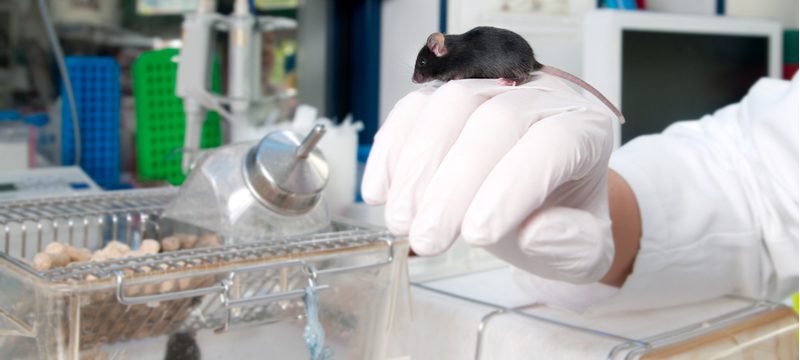
The study looked at two groups of mice who were genetically different, taking a skin graft from one of the groups and transferring it to the other. Out of the group who had received the graft, some were given a placebo and others were given THC and then they were observed.

Cannabis research and mice

The results were initially surprising for the team, with research study co-author Mitzi Nagarkatti stating:

“We are excited to demonstrate for the first time that cannabinoid receptors play an important role in the prolongation of rejection of a foreign graft by suppressing immune response in the recipient. This opens up a new area of research that would lead to better approaches to prevent transplant rejection as well as to treat other inflammatory diseases.”

Coincidently, this study was released a year after the Medical Cannabis Organ Transplant Act, which prohibited the discrimination of medical cannabis patients who were awaiting a transplant. Prior to the passing of which saw patients removed from the transplant list if they tested positive for marijuana.

Further Research

The above study, which was conducted in 2015, has seemingly been a piece of pioneering research in the field of medical cannabis, organ transplants, and our immune system. It has since been cited a further 12 times in research involving multiple sclerosis, gut regulation and conditions affecting the brain and spinal cord.

Although the study was conducted on mice, and although it might be further down the line before we see these tests conducted within a human testing environment, it is studies like this one that deepen our understanding into the role that our endocannabinoid system plays on our health and the job that medical cannabis can do.

Research into medical marijuana focuses mainly on two cannabinoids, THC and CBD. The researchers of this study commented to state that research should not just centre around these two, but be conducted into each and every cannabinoid found in the cannabis plant. This will enable us to fully understand the molecular pathways involved and help the development of future medicines.

Pcb social platforms website https://pcbradio.com/Twiter – https://twitter.com/radio_pcbInstragram- https://www.instagram.com/pcbradio/Pcb radio – http://mixlr.com/pcb-soitiz-radio/Pcb radio Fb https://www.facebook.com/groups/PcbRadio/?ref=bookmarksPcb Msw https://www.facebook.com/groups/1381820185314826/

CBD Drug Tests – Will Taking Cannabidiol Effect The Results?

Everything you need to know about CBD drug tests in the UK, including how the tests work and what to watch out for.

Whether you are taking CBD as a medicine or as a health supplement, the last thing you want to do to test positive for an illegal substance in a drug test. Whether your job does randomised drug tests or you just want to be safe, we can provide you with all the information to give you peace of mind prior to taking CBD.

Can CBD make you fail a drugs test?

CBD won’t make you fail a drug test because there is no such thing as a CBD drug test. CBD is legal in the UK and you will not be tested for it. But, that does not mean that you are in the clear.

CBD is derived from cannabis which is illegal in the UK, so while there may not be a CBD drug test, there is a cannabis drug test.

THC, like CBD, is a cannabinoid present in cannabis. However, THC is the intoxicating constituent of cannabis used for its ability to get the user ‘high’. Consequently, THC is illegal. Cannabis drug testing in the UK test for the presence of THC. So, if your CBD oil has no THC in it, you won’t fail.

CBD Drug Tests

How do drug tests check for cannabis?

Different types of cannabis drug tests will have different thresholds for the amount of THC that they can detect. You are most likely to receive a cannabis urine test, but you could be tested for the presence of THC in your saliva, sweat, hair or blood.

Drugs are present in a urine test for for up to 4 days following last usage for most narcotics. However, cannabis is metabolised relatively slowly and can be detectable for up to two weeks with heavy use. As well as cannabis, most urine drug tests will also detect cocaine, amphetamines, opiates and benzodiazepines.

To pass a THC drug test, you must have less than 50 ng/mL of THC present in your urine. This means you would have to consume upwards of 2 g of CBD with 0.2% THC to even be remotely close to failing. Considering this is 1000 times greater than the average user’s daily dose, people consuming CBD normally have nothing to worry about.

Do all CBD oil’s contain THC?

Most people are under the impression that CBD oil is free of THC. However, this is incorrect even in some products which declare themselves to be THC-free. The source of the cannabis used to make the CBD oil and how the buds are processed strongly dictates how much THC is present in the oil.

Marijuana and hemp are both varieties of cannabis. The difference between the two is how much THC is present: –

Marijuana – Cannabis that contains more than 0.2% THC;
Hemp – Cannabis that contains less than 0.2% THC.

CBD extracted from marijuana is illegal in the UK and should be avoided if you do not wish to fail a drug test. CBD extracted from hemp can fall into two categories: –

Full-spectrum – The CBD is extracted along with all of the other cannabinoids present in hemp, including THC.
CBD isolate – The CBD has been extracted and separated from THC, so it is the only cannabinoid present.

The only sure-fire way to not fail a drug test is through consuming CBD isolate, although it is still extremely unlikely to fail a drug test with full-spectrum CBD oil.

cbd and thc

Can you prove you have taken CBD oil and not marijuana?

You cannot 100% prove that you consumed CBD oil rather than cannabis. However if you keep the receipt, the box the cbd oil came in, and even keep your statement from the bank showing the purchase, you can prove that you are consuming CBD oil.

3 Reasons CBD Oil Can Make You Fail A Drug Test

There are 3 main reasons why consuming CBD oil could still result in a failed drug test: –

  • Using CBD Oil with THC
  • Accidental THC contamination
  • Exposure to THC from secondhand smoke

CBD oil with THC

A misconception exists that CBD products can contain THC up to 0.2%, but this is untrue. No amount of THC is legal at all. Because of this, people are happy to purchase products that claim it has THC in, thinking they are acting within the confines of the law when they are not.

Accidental THC contamination

Contamination is more common in dispensaries where cannabis is legal, so shouldn’t be a problem in the UK. It occurs when cross-contamination occurs between THC oils and CBD oils extracted within the same laboratory or sold in the same dispensary.

Exposure to THC from secondhand smoke

Being inadvertently exposed to THC by being around people who consume marijuana regularly. More likely to be picked up on a hair test rather than urine or blood, this can still cause a false positive on a drug test.

How long with CBD stay in the body?

If you are regularly consuming an average amount of CBD (between 20 – 100 mg) per day, all traces of cannabinoids will be out of your system after a week, apart from in your hair where it could be present up to 3 months. However, hair tests are very uncommon.

If you have a drug test impending and you wish to be 100% certain that CBD oil won’t make you fail it, you can avoid CBD products for a week before the test date and you will not fail. Sometimes, it is better to be safe than sorry. If you’re wondering how much cannabidiol to take check out of CBD oil dosage guide here!

cbd dosage

Key Takeaways

Although there is a lot of information in the article, the key point to takeaway is to not worry if you are taking regular amounts of CBD and you have a drug test coming up. For those who do worry, there are extra precautions you can take, such as choosing CBD isolate or refraining from taking CBD oil up to a week before the test. Buying CBD oil from trusted vendors who can produce 3rd-party test results will also go a long way to ensuring your product is what it says it is.

Pcb social platforms website https://pcbradio.com/Twiter – https://twitter.com/radio_pcbInstragram- https://www.instagram.com/pcbradio/Pcb radio – http://mixlr.com/pcb-soitiz-radio/Pcb radio Fb https://www.facebook.com/groups/PcbRadio/?ref=bookmarksPcb Msw https://www.facebook.com/groups/1381820185314826/

Strokes kill 140,000 Americans each year and nearly 800,000 suffer from an attack

But a promising study suggests that cannabis may lower a person’s risk of having a stroke.The research, conducted at the Center for BrainHealth at The University of Texas and published in the journal, “Neuropsychopharmacology,” found marijuana improves oxygen and blood flow to the brain, reducing the risk of clots that cause a brain attack.Dr. Francesca Filbey, the lead researcher and her team have discovered that the “primary psychoactive ingredient present in cannabis —tetrahydrocannabinol (THC) — relaxes arterial walls resulting in lower blood pressure and increased blood flow to tissues.”The research team also claim that frequent cannabis consumers have the lowest risk for stroke because of their extremely efficient brain blood flow.While the reason for the brain changes related to chronic marijuana use is unclear, Filbey said that these changes may reflect underlying differences in brain tissue metabolic rate.“Past marijuana research has shown changes in cognitive functions such as memory and executive functioning. Our study seeks to understand the possible neurophysiological mechanisms that may drive these cognitive changes,” said Filbey, who is also Bert Moore Chair in BrainHealth and head of the cognitive neuroscience program in the School of Behavioral and Brain Sciences.The study consisted of 74 cannabis users and 101 nonusers matched for age and IQ. All users reported at least 5,000 usages over their lifetime and daily use for 60 days leading up to the study. Participants were required to refrain from cannabis for 72 hours before the study to eliminate acute effects of the drug. Participants underwent magnetic resonance imaging, and THC metabolite levels were measured using urinalysis.

Pcb social platformswebsite https://pcbradio.com/Twiterhttps://twitter.com/radio_pcbInstragram- https://www.instagram.com/pcbradio/Pcb radio – http://mixlr.com/pcb-soitiz-radio/Pcb radio Fb https://www.facebook.com/groups/PcbRadio/?ref=bookmarksPcb Msw https://www.facebook.com/groups/1381820185314826/

Countries Where Weed Is Illegal 2019

Countries Where Weed Is Illegal 2019

The legality of marijuana is a controversial subject. Some people believe that marijuana has medical benefits that can help with a variety of ailments, from controlling pain to helping control diseases like Parkinson’s.

Other people believe that marijuana should be able to be used recreationally. A common argument is that marijuana is a plant that is less dangerous than legal substances like alcohol or prescription medications.


Legend

Illegal

Illegal but decriminalized

Illegal but often unenforced

Legal

Still others believe that marijuana is a gateway drug that leads to abuse of other drugs, including heroin or cocaine. For this reason, people believe that marijuana should be illegal.

In many countries around the world, government leaders mostly lean toward the negative aspects of marijuana. For this reason, it is still illegal in many nations around the country, although some nations have legalized it for medicinal use.

The nations that have made it illegal to cultivate or use marijuana, either recreationally or medically, include:

Irish farmers offered contracts to grow hemp

Irish farmers offered contracts to grow hemp

Farmers in a number of spots around the country are being offered contracts to grow hemp, in an effort to make Ireland a “global supplier” of the products that can be derived from the plant.

Thursday, June 20, The Teagasc Food Research Centre in Dublin hosted the ‘Premier Irish Industrial Hemp Conference’, which was addressed by two hemp processors looking to get Irish farmers involved in the industry.

First, Laura Jane Foley, from Loop Head in Co. Clare – who grows hemp on her farm with her husband Daniel – said they were offering contracts to cultivate hemp which they would then process.

She urged the Government to “embrace the industry” by establishing a regulatory framework and encouraging research at a number of levels, including agriculture.

Please acknowledge the need for a full Irish supply chain to address the growing domestic and international consumer demand to establish Ireland as a global supplier.

“We need to allow differing hemp cultivators for production of cannabinoid rich crops and provide year-round hemp cultivation licences through greenhouse operations,” Laura called for.

“We also need to provide cultivators with dual-licences to avoid “waste crop” and allow for full-plant utilisation,” she added.

Athlone

Meanwhile, James De Melloe, from hemp product supplier deDanú, and his wife Leah, are also offering farmers the opportunity to grow the plant for processing.

James has worked in the Canadian hemp industry since 2014. His company recently acquired a laboratory in Monksland, Athlone, which produces cannabidiol (CBD) oil.

“Ireland is a gateway to Europe, has globally competitive tax rates, research incentives and a highly educated workforce,” he said.

This country can compete at an international level and is uniquely positioned to capture a significant portion of the global marketplace.

Yesterday’s conference featured a range of speakers, one of which, Teagasc researcher Dr. John Finnan, addressed the apparent benefits of growing the plant.

He described it as a “vigorous crop that can generally out-compete weeds”.

“We have not used any herbicides, fungicides and pesticides on our research crops. As with all crops there is a nutritional requirement which can mainly be met through the application of organic manures,” Dr. Finnan explained.

CBD Oils and Hemp Oils – Legal Status

Are you planning to sell CBD oil? Did you know some forms of this oil are not allowed to be sold as food or food supplements in the EU?

If the CBD oil is extracted using particular extraction methods, like using solvents or supercritical CO2 extraction, you cannot sell it in the EU (unlike CBD oil extracted simply by pressing e.g. cold pressing). It is important that you know how the CBD oil has been extracted.

These types of oils need authorisation from the EU. If you want to sell these products you must apply for novel food authorisation. You can do this on the European Commission website. 

You should be aware that this is not a quick process and authorisation may not be granted.
 
What is a novel food?
A novel food is a food or food ingredient that was not available on the EU market to a significant degree prior to May 15, 1997.

Why are some CBD/hemp oils considered to be novel foods?
Generally speaking, hemp oil obtained by cold-pressing the seeds or other parts of the hemp plant does not require authorisation. This is because hemp oil was consumed in the EU to a significant degree before 1997 (see entry for Cannabis sativa L in the EU Novel Food Catalogue).

If, however, the CBD/hemp oil is subjected to certain forms of extraction or purification techniques, then a novel food authorisation may be required, as there may be an accompanying increase in undesirable constituents. A typical example is hemp oil subjected to supercritical CO2 extraction.

But I see CBD oil extract for sale everywhere and can easily get it from suppliers? How can it be illegal?
These products have been placed on the market without authorisation and are not permitted for sale. As we become aware of such products their status on the market is addressed.

Why is it NOT OK to sell CBD oil that has been extracted using particular techniques?
When using particular techniques to purify or concentrate a desirable constituent in a food, like CBD, undesirable substances that may be harmful to consumers’ health could also be enriched. Extracts obtained using these techniques must be assessed for safety before they are authorised for sale.

How do I apply for authorisation?
Information on novel foods and how to submit an application for authorisation is available on the Novel Food Section of the European Commission website.

Do the transition measures set out in Article 35.2 of the novel food Regulation (EU) 2015/2283 apply to CBD products produced by non-aqueous extraction?
No. That transition measure applies only to products “lawfully placed on the market by 1 January 2018”. CBD products produced using non-aqueous extraction methods such as CO2 or ethanol extraction have always been considered to fall within the scope of the novel food Regulation and therefore were not “lawfully placed on the market by 1 January 2018”.

What are hemp oils and CBD oils?
A number of products with names such as hemp oil, hemp seed oil, cannabidiol oil, CBD oil or CBD hemp oil recently entered the Irish market. These products are derived from the hemp plant (Cannabis sativa). They are typically marketed as food supplements (or dietary supplements) in liquid or capsule form.
Oil is obtained from the hemp plant by cold-pressing the seeds or other parts of the hemp plant. This oil naturally contains low levels of cannabidiol (CBD), a non-psychoactive compound. CBD can also be chemically extracted from hemp to produce products with a higher CBD content.

Are there any authorised health claims for hemp oils or CBD oils?
A health claim is any claim that states, suggests or implies that a relationship exists between a food category, a food or one of its constituents and health. No health claims relating to hemp or CBD are authorised for use under Regulation (EC) No 1924/2006 (see FSAI’s Information on Nutrition and Health Claims).

Can medicinal claims be made about hemp oils or CBD oils?
Medicinal claims are those which attribute to food the property of preventing, treating or curing a human disease. It is not permitted to make a medicinal claim about food. Therefore claims such as ‘treats seizures’, ‘cures cancer’, ‘lowers anxiety’ or ‘anti-inflammatory’ must not be made on the label of a food, verbally or on associated marketing material such as websites, social media, leaflets, etc.

Products that either contain a medicinal substance or make a medicinal claim are considered to be medicinal products. Medicinal products fall within the remit of the Health Products Regulatory Authority (HPRA) and must be authorised prior to being placed in the Irish market (see HPRA’s Guide to Definition of a Human Medicine).

Who authorises CBD for medicinal use in Ireland?
The HPRA is the competent authority for authorising medicinal products in Ireland. Its role is to ensure that only products that are safe, effective and of an appropriate quality based on clinical and scientific data can be authorised and supplied as medicines in Ireland (see HPRA’s report: Cannabis for Medical Use – A Scientific Review). At present there are no authorised medicines in Ireland that contain CBD as the only active ingredient. Accordingly, CBD products currently being sold for consumer use are not approved for the prevention or treatment of medical conditions or symptoms associated with such conditions.

Is it legal to grow hemp?
Yes, under licence from the Department of Health, certain varieties of the hemp plant (Cannabis sativa) are legally grown for a range of uses including for food and feed. The varieties of hemp permitted to be grown in Europe are those listed in the EU’s ‘Common Catalogue of Varieties of Agricultural Plant Species’ and for which the tetrahydrocannabinol (THC) content does not exceed 0.2% (Regulation (EU) No 1307/2013).

What is THC?
The cannabis plant contains a range of cannabinoids – some of which are psychoactive (affect the mind) and some not. Tetrahydrocannabinol (THC) or, more precisely, delta-9-tetrahydrocannabinol (Δ9-THC), is a psychoactive constituent of the hemp plant. As THC can cause symptoms associated with psychosis, products that contain THC are subject to strict controls under the Misuse of Drugs Acts 1977 to 2016.

At EU level, the presence of Δ9-THC, its precursors and other cannabinoids in food from hemp and in food from animals fed using hemp-derived feed is being monitored as part of official controls under Commission Recommendation (EU) 2016/2115.

Can THC be used in food?
Article 2(g) of Regulation (EU) No 178/2002 states that food shall not include: “narcotic or psychotropic substances within the meaning of theUnited Nations Single Convention on Narcotic Drugs, 1961, and the United Nations Convention on Psychotropic Substances, 1971“

THC is listed as one of these narcotic or psychoactive substances.

The safety of THC in foodstuffs has been addressed by a 2015 European Food Safety Authority (EFSA) opinion which concluded an acute reference dose for Delta-9 Tetrahydrocannabinol (THC) at 1µg/kg body weight. This means that consuming food containing THC at greater than 1µg/kg body weight in one sitting or in a day may have adverse effects.