The Next Big Thing in ‘Green’ Packaging Is Hemp Bioplastic

Christie LunsfordGUEST WRITERCEO, The Hemp Biz Conference    November 29, 2018 6 min readOpinions expressed by Entrepreneur contributors are their own.

Kevin Tubbs, founder of the Hemp Plastic Company, sees the world through bioplastic glasses. The Denver-based company specializes in flexible bioplastic packaging containers made from byproducts of nutritional hemp processing.

“We expect market dominance in bioplastic hemp,” Tubbs says. “Outside of cash crops like hemp hearts and CBD oil, there’s a lot of waste in hemp processing. So I started experimenting. Take the waste products and you can do one of two things with them: You can either make hempcrete — a building material — or hemp plastic.”

Tubbs said the choice was easy after 20 years making eco-friendly packaging. “We need plastic.”

Bioplastics, meaning any plastic that is plant based, biodegradable, or both, replaces fossil-based carbon in plastic with carbon from renewable sources such as corn or hemp. Tubbs, now manufacturing about a million pounds of hemp-based bioplastic a week, is confident that hemp bioplastic will overtake petroleum-based raw polymer in coming decades.

Thanks to a confluence of consumer demand for more sustainable goods, corporate initiatives and falling manufacturing costs, production of bioplastics is poised to take off. By 2020, bioplastics are predicted to control 5 percent of the plastics market, rising to 40 percent by 2030, according to Grand View Research.

Related: Hemp Is the Multibillion-Dollar Cannabis Opportunity Few Have Heard About

Tubbs advises potential investors to think about raw material costs. “When the price of oil rises, watch the cost of bioplastic. Take a pound of raw polymer and compare it to a pound of hemp raw material: the hemp is cheaper. Every ounce of it I add to the other polymers it makes the polymer cheaper. Greener and cheaper.”

So why hemp? “What other biomaterial could you use?” Tubbs asks. “It has very unusual characteristics for a plant. It’s ridiculously strong, almost as strong as spider silk.”

Industrial hemp, a variety of cannabis that contains under 0.3 percent of the psychoactive compound THC that gives marijuana its potency, works well as a raw material for bioplastics for some other reasons as well: It grows well in most soils with few chemical fertilizers or pesticides. It grows fast, furiously absorbing carbon from the atmosphere from germination to harvest. That carbon is then transformed into the high cellulose content needed for bioplastic manufacture, around 65 to 70 percent of hemp biomass.

By comparison, wood contains 40 percent cellulose, flax has 65 to 75 percent and cotton leads the pack with up to 90 percent. However, cotton requires 50 percent more water to grow than hemp, and four times more water to process. But cotton, corn and wood have the advantage of being legal.

The cultivation of hemp of any kind was outlawed in 1937 (though the ban was lifted during World War II to provide critical raw materials). Importation of hemp became legal in 1997 and demand for hemp hearts, hemp milk, hemp protein powders, hemp-based cosmetics and extracted oils, as well as clothes, textiles and sustainable bioplastics, has grown steadily ever since.

The 2014 Farm Bill took a step towards domestic cultivation by making it legal for states to allow industrial hemp pilot programs. While 40 states did so to some degree, only 15 states grew hemp in 2016, with four more joining their number in 2017. Colorado led the pack with 9,700 acres of hemp in cultivation, followed by Oregon with 3,469 acres, Kentucky with 3,271 acres and North Dakota with 3,020. Only two other states — New York and Minnesota — cultivated more than 1,000 acres of hemp, according to the advocacy group Vote Hemp.

But the 2014 Farm Bill expired on September 30, and the conference committee has yet to issue its report combining the House and Senate versions of a 2018 Farm Bill. The Senate version that passed in June included, in its entirety, the Hemp Farming Act of 2018, which would remove hemp and its products such as CBD oil from the purview of the Controlled Substances Act, legalizing cultivation in all 50 states.

Final passage of the Farm Bill may be kicked into the lame duck session or early 2019. But the biggest proponent of hemp decriminalization, Senate Majority Leader Mitch McConnell, R-Ky, is unlikely to abandon a bill whose provisions would allow his state to continue to capitalize on a crop that he says made Kentucky farmers $16 million in 2016 and could replace tobacco as a major cash crop.

Related: Can Marijuana Replace Lost Steel Jobs? Pennsylvania Town Has High Hopes.

The hemp farming provisions McConnell supports would make industrial hemp legal to grow for the first time since the 1930s. Legalization of industrial hemp will make available a large quantity of domestically grown, high-cellulose raw material for renewable bioplastics. The question isn’t if it will become an important commodity for a booming industry, it’s when.

Bioplastics are developed to work in existing injection molding equipment and possess the versatility of petroleum-based plastics to be formed into virtually any kind of packaging, furnishings, medical equipment and more. Bioplastics require neither new infrastructure nor the development of new technologies.

Some early adopters are already exploring the potential of hemp packaging.

“Single use plastics are used for a moment in time, then discarded,” says Ron Basak-Smith, founder and CEO of Sana Packaging, which aims to fill a tidy niche within the cannabis industry with reusable, child-safe, hemp-corn composite bioplastic vials and boxes for medical and recreational marijuana. “Plant-based plastic packaging represents a great opportunity to put renewable plastics into people’s hands.”

Related: Hemp Oil vs. CBD Oil: What’s the Difference?

“Until hemp is more mainstream,” Basak-Smith says, “we’ll continue to fill a small niche of consumers who really want sustainable packaging. Brand image is important, and the number of people who want sustainable options drives how many options exist.”

Kevin Tubbs sees the same competitive advantage to sustainable packaging. “If your competitor is using raw polymer and you’re using hemp bioplastic, you have an advantage,” Tubbs says. “As soon as someone tests out new bioplastic packaging with us, we see their competitors come knock at our door.”

The demand for hemp bioplastic is there, Tubbs says, who says otherwise he never would have gotten involved with it. “I’d love to tell you it was my dream and I was always a hemp plastic guy, but it wasn’t,” Tubbs says. “It just happened. We couldn’t escape it. Our company is built 100 percent on demand.”
Cannabis, Anti-Biotics And The Case For Nationalising Big Pharma

In 2017 England’s chief medical officer, Sally Davies warned that “the world is facing an antibiotics apocalypse” because of the rapid growth of antibiotic-resistance bacteria, threatening to throw civilisation backwards to a time before Alexander Fleming discovered penicillin in 1928. The Tory government has effectively admitted that the profit motive deters Big Pharma from improving antibiotic drugs. Barnaby de Hoedt argues that this emergency, coupled with the unsustainably high running costs of the private pharmaceutical industry and its ensuing need to charge prohibitive prices for medicines – as seen lately with ‘cannabis-derived products’ – means that there is an urgent need for Big Pharma to be nationalised.

The American Society for Microbiology reported a profoundly disconcerting trend in 2017: that bacteria containing a gene known as mcr-1 – which confers resistance to the antibiotic colistin – had spread round the world at an alarming rate since its original discovery 18 months earlier. Colistin is known as the “antibiotic of last resort” because doctors in many parts of the world reluctantly turn to it when patients are no longer responding to any other antimicrobial agent. Now resistance to its use is spreading across the globe, too.

Pharmaceutical corporations developed 13 classes of antibiotics between 1935 and 1968, but only two more between then and 1987. Since then no new classes of antibiotics have been developed, and none are in the pipeline across the world, except for a small number of new individual antibiotics. How is this possible? How has this been allowed to happen? Clearly, the pharmaceutical industry as it is organised in its present form has not been able to keep up with the pace of an ever-evolving world.

The reason for this malaise is obvious: the profit motive. Even the Tory government has tacitly recognised this. In January the government announced that it would provide (extra) subsidies to incentivise pharmaceutical companies to develop new drugs to fight antimicrobial resistance (AMR).

And not only did the Tory government recognise that the profit motive is a barrier to updating medicine – they recognised that it is helping to cause AMR to develop in the first place!

In a statement, the Health Department said: “The way drugs companies are currently paid depends on the volumes they sell, meaning companies have an incentive to sell as many antibiotics as possible, at the same time as government is trying to reduce antibiotic use.”

That’s right – Big Pharma is breeding AMR by overselling antibiotics for the sake of profit.

The statement added: “Low returns on investment in development means industry does not innovate enough and as a result, very few of the new drugs that are currently in the pipeline are targeted towards priority infections.”

Never has a British government been more honest! Despite overselling at extortionate prices, Big Pharma is still receiving low returns on investment, creating a fetter on innovation. How can such a wealthy industry be too poor to keep itself relevant? Clearly the current form of organisation – private ownership – has exhausted its limits. The increasingly high costs of running such a behemoth have become unsustainable. Many pharmaceutical companies have in fact closed down their R&D facilities and now rely almost entirely on the state for R&D.

Too much money is obviously going into the pockets of shareholders, but if shareholders don’t receive adequate returns – that is, more than they put in – on their investments, they have no reason to invest; they’ll take their investments elsewhere, channel them into speculative markets, or stash them in tax havens and wait for profitable conditions to return.

https://ukcsc.co.uk/cannabis-antibiotics-the-case-for-nationalising-big-pharma/?fbclid=IwAR3WOmVJ0GbFe3yn37p_wuxOIXpDB9GSU2Wuz7zUYbncUzShrMU595J419A

Cannabis and Diabetes

Cannabis is also known as marijuana

Cannabis is also known as marijuana

Cannabis, or marijuana, is a drug derived from the cannabis plant that is used for recreational use, medicinal purposes and religious or spiritual rites.

Cannabis plants produce a unique family of compounds called cannabinoids. Of these, the major psychoactive (brain function-affecting) compound is tetrahydrocannabinol (THC).

Marijuana contains high levels of THC, as well as other psychoactive chemicals, which produce the ‘high’ users feel when inhaling or ingesting it.

Two other compounds, tetrahydrocannabivarin (THCV) and cannabidiol (CBD) have been shown to have benefits for blood sugar control and metabolism in diabetes studies.

Legalisation on the NHS

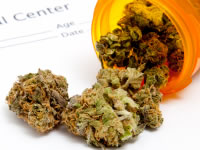
On 1 November 2018 medical cannabis products were made available on the NHS for some people in the UK.

Treatments can only be prescribed by specialist doctors in a limited number of circumstances and not by GPs.

The treatments will contain varying quantities of THC and CBD. Treatments will include pills, capsules and oils but smoking cannabis will not be prescribed.

People who stand to benefit will be children with rare, severe forms of epilepsy, adults with vomiting or nausea caused by chemotherapy, and adults with muscle stiffness caused by multiple sclerosis.

History of cannabis

Cannabis has been used by humans for thousands of years, with the earliest record of its use dating back to the 3rd millennium BC.

It is indigenous to Central and South Asia, and is believed to of been used by many ancient civilizations, particularly as a form of medicine or herbal therapy.

Cannabis and its effect on diabetes

There is growing research investigating cannabis use and the effects on diabetes.

Possible benefits of cannabis

A number of animal-based studies and some human studies have highlighted a number of potential health benefits of cannabis for diabetes.

Research by the American Alliance for Medical Cannabis (AAMC) has suggested that cannabis can help:

  • Stabilise blood sugars – a large body of anecdotal evidence is building among people with diabetes to support this.
  • Suppress some of the arterial inflammation commonly experienced by people with diabetes, which can lead to cardiovascular disease
  • Prevent nerve inflammation and ease the pain of neuropathy – the most common complication of diabetes – by stimulating receptors in the body and brain.
  • Lower blood pressure over time, which can help reduce the risk of heart disease and other diabetes complications
  • Keep blood vessels open and improve circulation.
  • Relieve muscle cramps and the pain of gastrointestinal (GI) disorders
  • Be used to make topical creams to relieve neuropathic pain and tingling in hands and feet

Cannabis compounds have also been shown to reduce intra-ocular pressure (the fluid pressure within the eye) considerably in people with glaucoma – a type of eye disease that is caused by conditions that severely restrict blood flow to the eye, such as severe diabetic retinopathy.

Insulin benefits

THCV and CBD have been shown to improve metabolism and blood glucose in human and animal models of diabetes.

A 2016 study found that THCV and CBD decreased blood glucose levels and increased insulin production in people with type 2 diabetes, indicating a “new therapeutic agent for glycemic control”. [356]

Previously, tests in mice have shown the compounds boosted metabolism, leading to lower levels of cholesterol in the blood and fat in the liver.

UK-based company GW Pharmaceuticals is currently in the process of developing a cannabis spray called Sativex, a prescription medication used to treat muscle spasms in multiple sclerosis. GW is aiming to utilise the CBD and THCV compounds in the product to help with blood sugar regulation in people with type 2 diabetes.

Meanwhile, a separate 2017 study found that cannabis use was linked with lower insulin resistance in a cohort of people with and without diabetes. [357]

Treatment for inflammation

CBD has long been known to possess anti-inflammatory properties, and because chronic inflammation is known to play a role in the development of insulin resistance and type 2 diabetes, research is investigating its efficacy in reducing inflammation in diabetes.

A 2017 study by the Medical College of Georgia revealed that CBD treatment reduced inflammation in animal models of diabetes, concluding “the nonpsychotropic CBD is a promising candidate for anti-inflammatory and neuroprotective therapeutics”. [358]

In 2015, Israeli researchers at the Hebrew University of Jerusalem reported that the anti-inflammatory properties of CBD, could treat different illnesses such as diabetes, atherosclerosis and cardiovascular disease.

In August 2015, cannabis pills containing only CBD, and not THC, were sold legally in Europe for the first time.

Treatment for peripheral neuropathy

Peripheral neuropathy is another complication reported to be eased by cannabis.

The Medical College of Georgia Study in 2017 also revealed that CBD treatment reduced the severity of diabetic retinopathy in diabetic animal models.

Another study in 2015 saw University of California researchers gave 16 patients with painful diabetic peripheral neuropathy either placebo, or single doses of cannabis, which varied in dose strength.

Tests were first performed on baseline spontaneous pain, evoked pain and cognitive function. The higher the content of THC participants inhaled, the less pain they felt.

Treatment for obesity

Furthermore, GW Pharmaceuticals research has revealed that cannabis could be used to treat obesity-related diseases such as type 2 diabetes by increasing the amount of energy the body burns.

In December 2014, cannabis was linked to a lower likelihood of obesity, lower BMI and reduced risk of type 2 diabetes in an Inuit population.

Cannabis drug class

Laws regarding the production, possession, use and sale of cannabis came into effect in the early 20th century.

But despite being illegal in most countries, including the UK, its use as a recreational drug is still very common.

In fact it is the most used illicit drug in the world, according to the United Nations, with approximately 22.5 million adults across the globe estimated to use marijuana on a daily basis.

Legal status

In the UK, cannabis is categorized as a Class B drug under the UK Misuse of Drugs Act.

Individuals caught in possession of marijuana are therefore given more lenient punishment – often confiscation and a ‘cannabis warning’ for small amounts.

Effects of cannabis

Cannabis causes a number of noticeable but mild (in comparison with other recreational drugs) physical and mental effects. These include:

  • Increased pulse rate
  • Dry mouth
  • Increased appetite
  • Bloodshot eyes
  • Light-headiness
  • Occasional dizzy spells
  • Problems with memory, concentration, perception and coordinated movement

Pro-cannabis groups and campaigners often highlight its pain relief benefits and stress the fact that not one cannabis-related death has ever been recorded.  

Different cannabis strains have radically different phytochemical compositions

just look at the differences in the picture, and it is worth noting that #THC alone is not enough for managing most #cancers#CBD alone is not enough for treating many conditions whilst it is highly #medicinal by itself in large amounts. They both are, individually, and work together synergistically. As the work of Dr. Meiri alludes to. He has shown that some #strains work for killing some cancerous cells but not all. One strain might kill liver cancer cells that another strain might not. It’s the beginning of the teasing apart of the complex relationship between individual #cannabinoids and their effect in group known as the “entourage effect”. Here is his department at the illustrious #Technion https://dmeiri.net.technion.ac.il/ perhaps the NHS Guidelines team might care to have a look given there will be no new magic supply on the NHS anytime soon as there is neither money for it and a block on the ‘acceptance of research’ not conducted in the UK?! Does neither the Francis Crick Institute nor Cancer Research UK wish to produce similar research in the UK?

But it would be amiss to not mention the cannabis giant that is Dr. Ethan Russo who not only lead clinical trials for the UK pharmaceutical company GW as their medical lead for many years but also hypothesised that the deficiencies in our own endocannbinoid system make a ‘cannabinoid tone’ in the body and that the regulation of this tone is critical to the maintenance of good health. Surely his research merits a glance @NHS? Have a read: https://www.ncbi.nlm.nih.gov/pmc/articles/PMC5576607/

And if you prefer watching: https://youtu.be/HkvrbHMMLJU this is a fantastically educative talk from the man. Perhaps our doctors and politicians would do well to watch it before banning its relatively harmless use whether for medicinal needs or spiritual enjoyment of life?!

Cannabis For Parkinson’s And Alzheimer’s Diseases -An Interview With Dr. Ethan Russo

Dr. Ethan Russo is a world-renowned authority on the medicinal use of cannabis; an academic researcher, author and industry leader whose expansive knowledge of cannabis therapeutics spans history, cultures and its myriad applications for improved health and wellbeing. A board-certified neurologist and former Senior Medical Advisor at GW Pharmaceutics, Dr. Russo is currently Director of Research and Development of the International Cannabis and Cannabinoids Institute, a consortium of international academic institutions and private companies dedicated to promoting medical cannabis research.

In this interview, Dr. Russo shares an informed and insightful vision of how cannabis-derived medicine stands to benefit two of the more intractable neurological conditions facing older adults, Parkinson’s (PD) and Alzheimer’s (AD) diseases.

Abbie Rosner: If medicinal cannabis targets our endocannabinoid system (ECS), what is the involvement of that system in PD and AD?

Dr. Ethan Russo: The ECS regulates most physiological systems in the body, but above all the nervous system, where it helps to achieve the balance that allows individual nerve cells to communicate. The ECS is disrupted in both AD and PD.

Rosner: What is the research with cannabinoids and Parkinson’s disease showing?Today In: Lifestyle

Russo: In a mouse model of PD, treatment with nabiximols (Sativex®), a cannabis- based pharmaceutical approved in 30 countries outside the USA, resulted in improvement in dopamine neurotransmitter function, and reduced oxidative stress (akin to “rust” of the nervous system), as well as leading to improvements in anxiety and self-injury behaviors.

Clinical results with treatment of PD with cannabis have been quite mixed. Cannabidiol (CBD) helped a few PD patients with psychotic symptoms, and some with a rapid-eye movement sleep disorder. Observational studies with smoked cannabis, presumably high in THC, reportedly produced acute benefits on tremor, rigidity and slow movement (bradykinesia). The best results in PD were reported in a Czech study in 2004, in which patients ate raw leaves of cannabis for as much as three months and reported significant improvement in overall function, tremor, bradykinesia and rigidity, with few side effects.

Cannabis itself cannot be legalised, it’s not illegal or legal, it’s a substance and therefore has no agency.


But we do have agency and it’s our freedom to legally access cannabis that is the issue. That legal access includes the currently illegal RIGHT to ‘possess’ , ‘cultivate’, ‘supply’ and ‘import/export’ cannabis. So if each of these rights is made legal I.e. decriminalised then each of these rights becomes as legal as home brewed beer. So in my book the ‘myth’ of ‘legal cannabis’ in reality relies on the decriminalisation of our right, as mature, responsible, law abiding citizens, of access. Cannabis is already legal to access for a preferred few. GWP, for instance, can grow and market cannabis (in the form of FECO) because they have a licence. A select few can also possess it if they have a licence issued by a doctor aka a prescription. The legal status of cannabis itself is ‘controlled’. But, in reality, it is controlled not by by controlling cannabis but by controlling those who would also like to access it (like us) by carefully limiting the issue licences to a very select few (like GWP and its offshoots and ‘soon’ some Canadian producers). If you don’t have a licence you are prosecuted if caught…. simple as that ✌️😜

An Open Letter to Rick Simpson by Dr. Franjo Grotenhermen

By Dr. Franjo Grotenhermen

Dear Rick Simpson,

You are probably the most well-known personality when it comes to the medical use of cannabis by cancer patients. Many desperate individuals, suffering from cancer and other serious maladies, put their trust in you and place great hope in your advice.

You are aware of this responsibility when you write in your book, Rick Simpson Oil – Nature’s Answer for Cancer, “I think anyone including myself, if put in a position of public trust, should expect to have their activities while working for the public watched very closely,” (Pos. 2528, Kindle). It is my conclusion, however, that you have not taken the proper measures commensurate with such great responsibility. I hope that in the future, you can do better.

I share your view when you write, “As I have stated many times, it is our watch and is our sacred responsibility to see that mankind will survive and prosper. Doctors will begin to follow the Hippocratic Oath and governments will begin to work for the greater good of the people. This is the only path we can follow which makes any sense and, if ignored, the destruction of the human race can be the only result,” (Pos. 2517, Kindle). And you continue, “My mission is simply to provide the truth to everyone possible, so together we can effect change,” (Pos. 3460, Kindle).

But I have to state that you are not taking many important facts into consideration – much to the detriment of people. You admit that you are “not a doctor” and do not “have the qualifications necessary to become one,” (pos. 1485, Kindle), but you take the liberty of exaggerating promises of healing that do not stand up to factual examination.

I want to clarify what one might interpret as overly harsh criticism, however, is inevitable, by six examples:

Lack of Knowledge

You write, “Decarboxylation occurs when the molecules within the oil have been rotated to the delta 9 position with the use of heat so they become more and medicinally active,” (Pos. 717, Kindle).

It is a fact, however, prior to decarboxylation, the substance is already delta-9-THC. With regard to the corresponding double bond in the THC molecule, nothing changes through the process. Decarboxylation means removal of carbon dioxide. This reaction converts the naturally present THC acid (THCA) in the plant into phenolic THC that is responsible for most of the therapeutic effects of delta-9-THC. I read on your website that you encourage to include plant-based foods in the diet, claiming that the proteins contained in plants possess cancer-fighting properties, as well. However, it is not proteins, but the phytochemicals, such as flavonoids, which may possess such properties.

Mistaken Beliefs

You write, “I think it’s of benefit to the patient for the oil to be administered as close as possible to a tumor or whatever is being treated. Therefore, if you have bowel problems, suppositories would likely work best, but if you have something like throat or stomach cancer, etc. I would ingest the oil by mouth,” (Pos. 1012, Kindle).

The truth is, that also in cases of abdominal carcinomas, cannabinoids reach the cancer through the body’s circulatory system. One should know some basic medicine, so as to not rely on beliefs, because they may turn out to be mistaken ones.

Confusing Amount and Concentration

You write, “By volume, it would be impossible for a hemp tincture to be as potent as pure oil. A patient could ingest their doses mixed with alcohol, but what good would taking this medication with alcohol do the patient?” (Pos. 1043, Kindle).

The truth is, that a diluted cannabis oil with a 5 percent THC content, ingested orally, has the identical pharmaceutical effect as a cannabis extract or cannabis oil with a THC content of 50 percent. This is because the effect is not based on concentration; it is based on the absolute amount. One milliliter of 50 percent cannabis extract contains the same amount of THCmillilitersilitres of a 5 percent extract, which is exactly 500 milligrams of THC. Only when applied externally does concentration play a role.

Missing Data

You write that, “On average, there is about one person in ten who will freely tell the world what had healed them but the majority of patients tend to remain more or less quiet … Since most people will not come forward, it makes my tasks that much harder and many will continue to die because those who have used these extracts refuse to discuss what they have witnessed,” (Pos. 1192, Kindle). And further, “Since 2003, I have provided these extracts to roughly 5000 people who were suffering with all types of medical problems. Many of these patients had several medical issues which needed attention but most were brought under control or cured with the use of this oil,” (Pos. 1377, Kindle).

You write yourself that only about one in ten patients treated by you offers feedback on the success of the treatment, and you complain that you do not hear back from most of them. Despite this, you undauntedly claim that all cancer patients, even those you never heard back from, were healed by the use of cannabis oil. Claims based on such limited data become completely absurd when contrasted with the fact that, depending on classification, there are between 100 and 1,000 types of cancer.

THC Fixation

You write that, “I always recommend high-grade oils for internal use in the treatment of serious conditions. A high-grade extract should contain THC levels in the range of 80-90% and produce an extremely sedative, yet euphoric effect when ingested. The higher the quality of the oil, the more pronounced will be its healing effects,” (Pos. 368, Kindle).

The truth is that besides THC, other cannabinoids possess cancer-inhibiting properties – in particular, CBD (cannabidiol). There are indications that in some types of tumors, CBD may play a more important role than THC. Moreover, there are strong indications that a combination of THC and CBD is more effective than THC alone, with regard to at least certain types of cancer. Among other factors, this can be of great importance when THC is insufficiently tolerated, and higher dosages are out of the question. In such cases, a treatment with high dosages of CBD can be attempted. You developed your theory 15 years ago when CBD was not yet in focus. However, our knowledge of the effectiveness of whole cannabis and cannabinoids in the treatment of cancer are of preliminary nature. And we must always take new data into consideration, offering our patients the most up to date advice and treatments possible.

Warning Against Effective Therapies

You write, “Unfortunately, many people who come to me have been badly damaged by the medical system with their chemo and radiation, etc. The damage such treatments cause have a lasting effect in people who have suffered these so-called treatments are the hardest to cure. But don’t despair, for even if you have been badly damaged, this oil still has a 70 to 80% success rate,” (Pos. 970, Kindle).

Now I arrive at a very serious issue. You recommend that all cancer patients avoid standard treatments because radiation therapy and chemotherapy both cause damage. Instead, all patients could be healed with your cannabis oil. We don’t know the actual success rate of your cannabis oil, and you can’t possibly know it either because you’ve had too little feedback from your clients. But we do know the success rates of standard therapies. In Germany, of the 500,000 individuals diagnosed with cancer each year, 280,000 are healed. This comes out to around 55%. As recently as 1980, two-thirds of all cancer patients succumbed to their ailment.

If the recovery rate from standard treatments continues to rise, and the rate of recovery for those treated with cannabis remains unknown, how many patients have died needlessly, following your advice?

And how many patients, who could have been healed, if they had received a combination of cannabinoids and conventional therapies, could have survived had they not solely relied on cannabis?

That you present things wrongly by not understanding chemistry, physiology, and medicine is not what I hold against you. One doesn’t necessarily need to understand all the details. However, this is a question of life and death, and such a serious issue, that you have to be accused of not living up to your responsibility and therefore your own aspirations.

This is about the wellbeing of individuals who turn to us. They have a right to the best possible and most recent information, as well the best possible advice. When it comes to medical treatment, especially when confronted with serious illness, it is not enough to treat patients by relying on good intentions and vehemently presenting a conviction.

I am convinced that your reputation among supporters would improve if you were able to revise and update your advice. I am convinced that cannabis and cannabinoid therapies are of value in the treatment of cancer. Let us address their potential with great care and consciousness!

Yours truly,

Franjo Grotenhermen

From the book: “Grotenhermen F. Cannabis gegen Krebs: Der Stand der Wissenschaft und praktische Folgerungen für die Therapie” [Cannabis against Cancer: The State of Science and Practical Conclusions for the Treatment]. Solothurn, Switzerland: Nachtschatten Verlag, 2017. With a preface by Dr Burkhard Hinz, Director of the Institute for Pharmacology and Toxicology, University of Rostock, Germany.

Website: http://www.nachtschattenverlag.ch/products/product_1624.html

Medical cannabis costs family £4,000 a month to help teenager

An epileptic teenager’s family are paying thousands of pounds a month for privately prescribed medical cannabis because they cannot get it on the NHS.

The law changed last November so specialist doctors could offer cannabis-based medication.

But there have only been a handful of prescriptions because of concerns about safety and effectiveness.

Bailey Williams’ parents, from Cardiff, said he has had fewer seizures since he has started taking the drugs.

But they said his next monthly batch is set to cost £4,000 and they are worried they will not be able to afford it long-term.

The 17-year-old’s mum, Rachel Rankmore, said: “The last few months, he has started to speak, interact in conversation, play with his toys.

“He has a reduction in seizures, so he has a better quality of life.

“We’d got nothing left to lose, we just needed to try it.”

Bailey has a rare form of epilepsy called Lennox-Gastaut Syndrome and he can have multiple seizures every day.

The cannabis oil he has been prescribed by a private paediatric neurologist in London is called Bedrolite.

That contains CBD and a small amount of THC – the psychoactive compound of cannabis.

Bailey’s private prescription, which he was given in June, is specially imported from the Netherlands.

His father, Craig Williams, said: “If you were to purchase it direct from Holland, it’s £150 per bottle.

“Because the UK have got to import it, you’ve got your importation fees, you’ve then got your pharmacy costs on top, so that same £150 bottle becomes £500, which Bailey needs every two-and-a-half to three days”.

The family expect Bailey’s October prescription to cost almost £4,000 as the dose has increased.

line

The law on medicinal cannabis

Until last year, medical cannabis with THC was illegal in the UK.

On 1 November, all cannabis medicines were moved from Schedule 1 of the Misuse of Drugs Regulations to Schedule 2, to recognise there is evidence of benefit for some.

This month, the body that advises on best treatments, the National Institute for Health and Care Excellence (NICE) chose not to recommend the wider use of medical cannabis, because of a lack of clinical evidence. It is consulting on those findings and will publish final guidance in the autumn.

An NHS England review said the health service must support studies to gather evidence “as soon as possible” .

The National Institute for Health Research is inviting bids for funding to carry out research into the medicinal uses of cannabis.

It means many people are turning to private clinics for medical cannabis .

line

The family has raised about £15,000 to fund the drugs.

Bailey’s mum said they could not “keep effectively begging for money”.

Cardiff and Vale health board said it acted in “the best interests” of patients and put them at the centre of “everything”.


A spokesman said: “We have discussed the concerns the family have raised about the management of his condition.

“We will continue to work with the family.”

The Welsh Government said no cannabis products had passed tests of the Medicines and Healthcare products Regulatory Agency.

A spokesman said: “Cannabis products may therefore pose unquantified and potentially greater risks to patients than licensed medicines.”


The Department of Health and Social Care said there was “a clear consensus on the need for more clinical evidence.”

It said the decision to prescribe “must remain a clinical one, made with patients and their families”.

A spokesman said: “We will now carefully consider the NHS’s findings, alongside the recently published Health and Social Care Committee report, to identify how we can better support clinicians in prescribing cannabis-based medicinal products where clinically appropriate.”


Swifty & Ital Sounds – Roots toots & herbert’s show

ok got #italsounds back in #pcbradio , this man knows his vibes and always brings a stack of top Jamaican sounds , ill have to be digging deep onto my vaults to stay on top with him .
we will be live at eight pm .
peace & love till then .Swifty & Seb

Press this link at eight pm – if you register its free , you can join us in chat room fire some requests down and enjoy the vibe .
